

Views: 0 Author: Site Editor Publish Time: 2026-09-30 Origin: Site


A custom die casting mold does not fail overnight. It degrades through slow, progressive wear. Operators often miss this deterioration until catastrophic failure occurs. Unplanned tooling downtime severely impacts production schedules. It drives up unit costs and frustrates your entire supply chain. Relying on reactive repair strategies is no longer viable for high-volume manufacturing.
You need a proactive approach to keep production running smoothly. This guide details evidence-based maintenance frameworks. You will discover rapid changeover techniques designed to slash downtime. We also cover ROI-driven replacement thresholds. These metrics help you evaluate lifecycle support from your manufacturing partners. You can minimize tooling-related stoppages by following these exact strategies.
By implementing these systems, you shift your operation from reactive firefighting to predictable efficiency. You will learn how to maximize tooling lifespan. You will also understand exactly when to repair or replace aging equipment.
You must identify the exact mechanisms of mold degradation first. This establishes a baseline. We need to know what effective maintenance must prevent. Tooling failure stems from physical and chemical stresses during the casting cycle. Understanding these root causes helps you build better defense mechanisms.
Continuous cyclic heating and cooling destroys tooling surfaces. Molten metal shoots into the cavity at extreme temperatures. The steel expands rapidly. Seconds later, water cooling channels force the steel to contract. This violent temperature swing creates micro-stresses on the die surface. Over thousands of cycles, these stresses form tiny fissures known as heat checking. The cracks degrade part finish. They eventually cause total structural failure if left unchecked.
Chemical bonding happens between the injected alloy and the die steel. Aluminum, for example, aggressively attacks unprotected iron in the tooling. This creates a solid metallurgical bond. We call this soldering. Soldering causes cast parts to stick inside the cavity. It ruins the surface finish of your products. Operators must stop the machine to polish the bonded material away. This process drastically prolongs cycle times and damages the tool further.
High-velocity molten metal flows into the die under intense pressure. This flow acts like an abrasive fluid. It heavily degrades gate areas and core pins over time. The constant friction washes away the tool steel. Essential dimensions begin to drift out of tolerance. Erosion specifically attacks areas experiencing the highest metal velocities. It rounds off sharp corners and destroys intricate cavity details.
High-grade H13 or premium tool steels delay these damaging effects. Advanced surface coatings also offer excellent protection. However, no material remains entirely immune. Gradual wear happens regardless of material choice. You must schedule planned interventions. Ignoring routine care guarantees unplanned production stoppages down the road.
You must break down maintenance into actionable intervals. This prevents cumulative damage from sneaking up on your production team. A tiered approach ensures components receive the right level of attention at the right time. We categorize these tasks by frequency to optimize labor and machine availability.
Operators must perform specific checks every single shift. They conduct visual inspections for flash build-up around the parting lines. Flash prevents the die from closing properly. Operators must also verify water line flow. Blocked cooling channels cause immediate thermal spikes. Finally, they must lubricate all moving components. Slides, cams, and ejector pins require constant lubrication to prevent seizing during high-speed operation.
Your tooling team needs to execute a complete mold tear-down periodically. This usually happens monthly or every 10,000 to 20,000 shots. Technicians perform ultrasonic cleaning of all cooling channels. This step remains crucial for thermal management. Scale build-up acts as an insulator, destroying cooling efficiency. Teams must also inspect wear plates carefully. They look for premature galling or scoring on guiding components.
Heavy intervention happens annually or at major shot intervals. The die block requires stress relieving. Tempering the steel heals accumulated micro-stresses. This process closes microscopic cracks before they propagate. You must align these procedures with exact custom die casting mold specifications provided by your tooling engineer. Strict adherence preserves original tolerances and ensures repeatable part quality.
| Maintenance Tier | Frequency / Shot Count | Core Tasks Required | Primary Objective |
|---|---|---|---|
| In-Press Routine | Every Shift | Visual inspection, water flow check, lubrication | Prevent immediate seizing and flash issues |
| Short-Term Care | 10,000 - 20,000 Shots | Tear-down, ultrasonic channel cleaning, wear plate check | Restore thermal efficiency and guide mechanics |
| Long-Term Overhaul | 50,000 - 100,000 Shots | Stress relieving, dimensional audit, insert replacement | Heal micro-stresses and reset part tolerances |
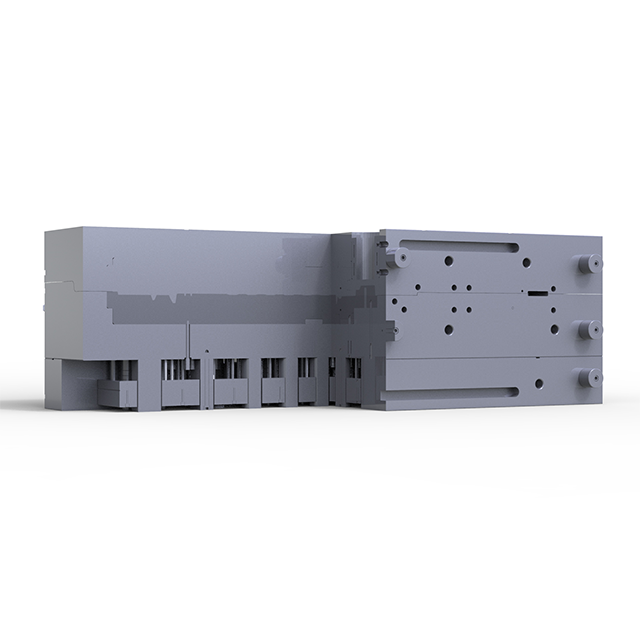
Downtime also occurs during scheduled changeovers. You lose valuable production time whenever a tool enters or exits the press. You must address this planned downtime aggressively. Single-Minute Exchange of Die (SMED) principles offer the best framework. SMED targets the setup process to maximize active casting hours.
You need to standardize how tools connect to your machines. Implement standardized clamping systems across your entire facility. Utilize quick-disconnect cooling lines instead of threaded pipe fittings. Set up pre-heating stations near the casting cells. Pre-heating the tool offline saves hours of warming up inside the machine. These standardized interfaces eliminate unnecessary adjustments during the swap.
You must evaluate every single setup step carefully. Identify which tasks happen while the machine still runs the previous job. We call these external tasks. Internal tasks require the machine to stop. You slash changeover times by converting internal tasks to external ones.
Effective SMED application yields massive results. You should expect to reduce tooling changeover downtime by up to 50 percent. This reduction directly improves your Overall Equipment Effectiveness (OEE). Faster changeovers allow for smaller batch sizes. They increase your flexibility to meet volatile customer demands. Production teams spend less time wrenching and more time casting.
Decision-makers need concrete criteria for end-of-life tooling evaluations. You want to avoid sinking money into a dying tool. Emotional attachment or budget fears often delay necessary replacements. An objective evaluation framework removes guesswork. It aligns maintenance spending with actual production returns.
A common industry benchmark guides these decisions reliably. Calculate your quoted repair costs against the price of a brand-new tool. If repair costs exceed 30% of the replacement cost, replacement is statistically more cost-effective. You must also replace the tool if dimensional integrity is permanently compromised. A warped die block will never produce a conforming part again. Cut your losses early.
Sometimes you can extend life without a full replacement. Assess the viability of inserting specific high-wear areas. You can machine away damaged sections and bolt in replaceable inserts. Consider upgrading to conformal cooling via 3D printed inserts. This targets hot spots better than traditional straight-drilled lines. Retrofitting works perfectly rather than replacing the entire massive die block.
You cannot make these decisions without accurate historical data. You must log every single shot fired. Record every minor repair. Track every maintenance hour spent on the bench. This data calculates your true cumulative lifecycle expenditure. Accurate tracking is especially vital when evaluating a specialized custom custom die casting mold. You need to know exactly how much capital it consumes over time.
| Condition / Symptom | Recommended Action | Justification |
|---|---|---|
| Minor flash, slow cycles, superficial heat checking | Repair & Maintain | Cost is well below the 30% threshold. Regular upkeep restores function. |
| Localized severe erosion, specific hot spots failing | Retrofit (Inserts) | Main block is sound. Upgrading specific areas provides high ROI. |
| Repair quote >30% of new cost, warped main block | Full Replace | Fixing it costs too much. Reliability remains compromised even after repair. |
The maintenance burden should never fall solely on the end-user. You must vet manufacturing partners thoroughly during the procurement phase. A cheap tool becomes incredibly expensive if the builder offers no aftermarket support. Evaluate their lifecycle capabilities before signing the purchase order.
A trustworthy custom die casting mold supplier must deliver extensive documentation. They should provide detailed 2D and 3D CAD data. You need complete Bill of Materials (BOM) files. They must clearly state specific maintenance intervals upon delivery. Your internal maintenance team relies entirely on this original engineering data to perform accurate repairs later.
Look for suppliers who offer structured aftermarket care. You want access to dedicated oem programs custom die casting mold services. These programs guarantee factory-level support continues long after initial installation. The builder knows their tool best. Having them handle major overhauls or stress-relieving ensures the work meets original design intents.
Assess the supplier's capability to handle production emergencies. Do they provide emergency offload services if your press goes down? Check their inventory for rapid component replacements. They should stock spare core pins, slides, and ejectors for your specific build. Immediate access to these custom spares prevents prolonged production halts while you wait for machined replacements.
Effective maintenance functions as a proactive investment in your facility. It shifts daily operations away from reactive firefighting. You move toward predictable, scheduled interventions. This discipline protects your capital equipment and guarantees consistent part quality.
You must balance rigorous internal upkeep with strategic supplier partnerships. Internal teams handle daily in-press checks and SMED changeovers. External partners handle deep overhauls and emergency support. This synergy maximizes your tooling return on investment.
Audit your current tooling log data immediately. Compare your actual maintenance intervals against your supplier's original specifications. Implement a structured lifecycle expense tracking model today. Review these hard metrics carefully before authorizing your next major tooling repair or replacement.
A: It typically depends on the alloy used and the total shot count. Aluminum degrades steel faster than zinc. Major teardowns and thermal stress-relieving are generally recommended every 50,000 to 100,000 shots. Always refer directly to your specific tooling specifications for precise intervals.
A: You will notice increases in part flash around the parting lines. Noticeable heat checking (cracks) will appear on the cast parts themselves. Ejector pins will start binding. You will also see a sudden rise in cycle times due to degrading thermal efficiencies.
A: Yes. Scale build-up in the cooling channels acts as a powerful thermal insulator. This blockage leads to highly uneven cooling. The resulting thermal shock accelerates heat checking rapidly. Neglected water lines severely reduce the overall lifespan of the tool steel.


