

Views: 0 Author: Site Editor Publish Time: 2026-09-23 Origin: Site


Automotive manufacturers face strict mandates to reduce vehicle weight today. CAFE standards and EV battery weight compensation drive this urgency. This shift rapidly pushes focus toward lightweight polymers and composites. However, steel tooling for these parts remains expensive. It is also quite slow to machine. An aluminum automotive mold offers up to 30% faster cycle times. It substantially lowers upfront tooling costs. Yet, it introduces unique risks. Teams must carefully manage tool wear, unwanted flash, and strict clamping limitations. Our objective is to provide engineering and procurement teams with a clear roadmap. We want to help you confidently specify, plan, and execute aluminum mold installations. You can achieve this predictability without sacrificing part quality or slowing down production speed.
Engineering teams frequently grapple with a core business problem. They must balance the need for rapid time-to-market against tool durability. Aluminum presents a lower lifecycle durability compared to P20 or H13 steel. However, speed often wins in modern automotive manufacturing. Aluminum allows you to cut metal faster. You can test prototype parts weeks earlier. This speed advantage dictates when aluminum becomes your best option.
You must perform a production volume reality check early in the project. Aluminum tooling does not suit every scenario. It thrives in specific production environments. Consider the following optimal use cases:
We must emphasize a crucial caveat here. Lightweighting often relies on highly abrasive materials. Glass-filled nylons and carbon-reinforced polymers are extremely common. These materials will drastically reduce mold life. They act like sandpaper during injection. You must apply proper surface treatments to survive abrasive resins. Otherwise, your tool will fail prematurely.
Evaluating the investment requires strict ROI calculation metrics. You should compare upfront machining cost savings directly against potential maintenance costs. Aluminum also boasts higher thermal conductivity. This characteristic leads to a significant cycle time reduction. Faster cycles mean more parts per shift. Weigh these daily production savings against the cost of eventual tool repairs. This calculation justifies the switch from steel.
Success starts in the engineering phase. You must define strict aluminum automotive mold specifications before cutting any metal. Material selection is your first critical decision. You cannot use standard commercial aluminum. You must evaluate high-strength, aerospace-grade aluminum alloys.
Standard 6000-series aluminum works for simple, low-pressure prototypes. However, production molds demand tooling-grade 7000-series alloys. Materials like 7075-T6, Alumold, and QC-10 provide superior dimensional stability. They resist the immense pressures of automotive injection molding much better than basic alloys.
| Alloy Type | Typical Application | Dimensional Stability | Machinability |
|---|---|---|---|
| 6000-Series | Low-volume prototypes | Moderate | Excellent |
| 7075-T6 | Mid-volume production | High | Very Good |
| QC-10 | High-performance tooling | Very High | Good |
Thermal management presents a massive opportunity. Aluminum transfers heat remarkably fast. You should leverage this superior heat transfer capability. Specify optimized conformal cooling layouts during design. Conformal cooling channels wrap around complex part geometries. They cool the plastic evenly. This reduces warping in thin-walled, lightweight automotive parts. It also slashes your overall cycle time.
We must address the inherent softness of aluminum next. Surface treatments and coatings are not optional. They are mandatory. Detail the necessity of hard anodizing or electroless nickel plating in your build sheet. These coatings harden the mold surface. They resist wear from abrasive polymers. Furthermore, you should specify localized steel inserts. Place steel at gates and parting lines. This prevents flash and protects the most vulnerable areas of the tool.
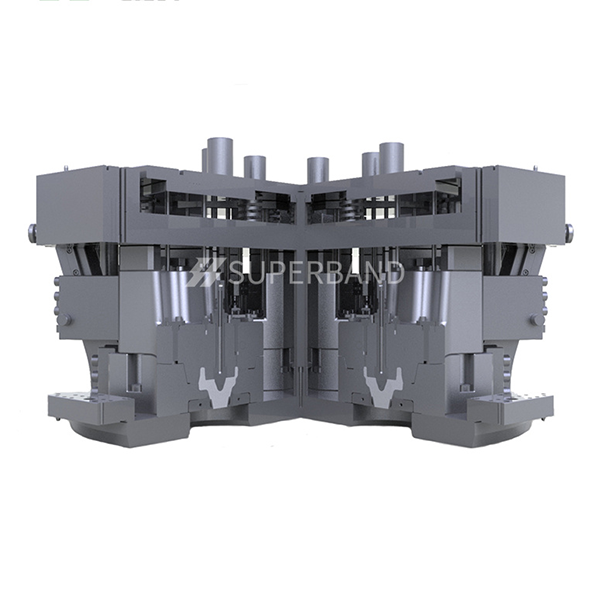
Installing a lightweight parts aluminum automotive mold requires specialized press preparation. You cannot treat it like a steel tool. Press matching and clamp tonnage recalibration are your first hurdles. Aluminum cannot withstand the same clamping force as steel. Its yield strength is significantly lower.
You must calculate and limit clamp tonnage precisely. If you apply too much pressure, you risk hobbing the tool. Hobbing means crushing the parting line during injection. A crushed parting line allows plastic to escape. This creates flash on your parts. Flash ruins lightweight components. Guide your setup technicians to use the lowest acceptable tonnage. They should gradually increase pressure only until the mold seals properly.
Handling and rigging vulnerabilities require strict oversight. Aluminum is highly susceptible to dings and scratches. A minor bump during transport can damage the molding surface. Crane installation poses a severe risk. Establish strict handling protocols for setup technicians. They should use nylon lifting straps instead of heavy steel chains. Technicians must clear all debris from the platen before mounting the tool. A single stray bolt can dent the mold backplate instantly.
Thermal expansion allowances also demand attention. Aluminum expands differently than steel at operating temperatures. It expands faster and further. Guide your engineers on planning for thermal expansion. They must calculate clearances for mold bases, leader pins, and ejection systems. If leader pins lack proper clearance, the mold will bind. Binding causes catastrophic tool damage. Proper thermal tolerance prevents these costly production halts.
Successful execution requires optimizing your part design early. Part geometry optimization is critical for lightweighting. Thin-wall molding presents unique challenges. You must tailor your best practices specifically for aluminum tooling.
Draft angles need special consideration. Aluminum surfaces can grip cooling plastic tightly. Increase your standard draft angles by at least one degree. This simple change allows parts to release smoothly. It prevents the ejector pins from punching through thin walls. You should also maintain consistent rib-to-wall thickness ratios. Heavy ribs cause sink marks. They also trap heat, negating the cooling benefits of the aluminum.
Pre-installation flow simulation is absolutely mandatory. Moldflow analysis protects your investment. Why guess when you can simulate? A thorough analysis identifies potential short shots before you cut metal. It reveals where weld lines will form. Weld lines severely weaken lightweight structural parts. Simulation also highlights venting requirements. Air must escape quickly during high-speed injection. Proper venting prevents diesel burns on the part surface.
We strongly recommend utilizing hybrid tooling strategies. Structuring a custom aluminum automotive mold involves blending materials. You do not have to use aluminum everywhere. Include hardened steel inserts at high-wear areas. Lifters and slide mechanisms endure constant friction. Steel handles this friction easily. Gate areas face the highest velocity and pressure. Steel gate inserts extend the operational life of the entire tool. This hybrid approach gives you the speed of aluminum and the durability of steel.
Your project succeeds or fails based on your tooling partner. Vetting an aluminum automotive mold supplier requires a strict checklist. You must verify their automotive industry credentials immediately.
Compliance and certifications establish a baseline of trust. Look for IATF 16949 and ISO 9001 certifications. These are non-negotiable for automotive work. The supplier must deeply understand automotive PPAP requirements. The Production Part Approval Process demands rigorous documentation. A supplier unfamiliar with PPAP will cause severe launch delays.
Evaluate your potential partners across several technical dimensions. Consider these key evaluation criteria:
Apply strict shortlisting logic when reviewing proposals. Pay attention to how they interact with your engineering team. Move forward with suppliers who challenge your design for manufacturability (DFM). A good partner will point out thin steel conditions. They will warn you about abrasive resin risks. Avoid suppliers who blindly accept your CAD files. Passive suppliers often deliver tools that fail during initial trials.
Aluminum molds represent a highly strategic asset for lightweight automotive part production. They offer unbeatable machining speed and exceptional thermal cooling. You must mitigate their lower tensile strength through smart engineering. Strict operational controls during installation and production ensure long-term success.
Take immediate action to start your next project correctly. Instruct your engineering teams to gather their part CAD files. Compile your annual volume estimates and material data sheets. Use these documents to initiate robust DFM conversations with a qualified tooling partner. Early collaboration guarantees a smoother installation and a more profitable production run.
A: Shot life ranges broadly from 10,000 to over 100,000 cycles. It depends heavily on the polymer you select. Unfilled resins maximize mold life. Glass-filled or abrasive polymers wear the tool faster. Using hard surface coatings and strategic steel inserts significantly extends the expected lifespan.
A: Yes, it can process high-temperature materials. However, this requires careful thermal management. You must select specific high-grade aluminum alloys, like 7075-T6 or QC-10. These advanced tooling alloys retain their structural integrity and resist deformation at elevated molding temperatures.
A: Aluminum conducts heat up to five times faster than standard P20 steel. This rapid heat transfer cools the plastic much quicker. It typically yields a 20% to 30% reduction in overall cycle time, drastically increasing your daily production output.
A: Minor surface damage can often be repaired quickly via laser welding. For deeper dents, technicians can machine out the damaged area and drop in a steel insert. While repairable, prevention through strict handling protocols and nylon rigging straps is vastly preferred.


