

Views: 0 Author: Site Editor Publish Time: 2026-08-20 Origin: Site


The steering knuckle acts as a safety-critical structural component in modern vehicles. Catastrophic failure here compromises the entire suspension system. This endangers lives and triggers massive recalls. Component reliability connects directly back to the precision of the initial manufacturing tooling. Poor tooling choices introduce severe defects early in the process. You often see internal porosity, dimensional inaccuracies, and unacceptably high scrap rates during mass production. These issues escalate per-part costs and invite severe compliance risks. Investing in an engineering-led design approach changes this dynamic entirely. Proper upfront engineering dictates structural integrity and ensures machining efficiency later on. It also protects the overall lifecycle of these essential automotive components. You will discover exactly how precision tooling prevents defects before they occur. We will explore specific design specifications necessary for load-bearing safety. You will also learn practical frameworks for auditing manufacturing partners.
Mold geometry completely dictates material flow during the casting process. Proper design minimizes turbulent flow effectively. This reduces oxide inclusions and prevents internal porosity. A poorly designed chassis parts steering knuckle mold allows dangerous air entrapment. Air entrapment severely compromises structural integrity under heavy dynamic loads. Engineers prevent these defects directly at the source. They optimize runners and gates to ensure a smooth, laminar fill. Laminar flow pushes trapped gases out through designated venting systems. This guarantees a dense, structurally sound metal matrix.
Dimensional stability matters just as much. Accurate parting lines and strict draft angles eliminate excessive secondary CNC machining. When a mold holds tight tolerances, the cast part emerges closer to its final net shape. This reduces the machining allowance needed. You save time and reduce cutting tool wear on the factory floor. Tighter initial tolerances also mean fewer setup variations during automated machining stages. Fixturing becomes more predictable. Automated robotic arms can load and unload parts without constant recalibration.
Material-specific tooling realities further complicate design choices. Lightweighting initiatives rely heavily on aluminum high-pressure die casting. This process requires tools capable of withstanding rapid thermal cycling and extreme injection pressures. Aluminum alloys behave very differently from ferrous metals. Conversely, traditional heavy-duty applications use ductile iron sand casting or forging. These require completely different wear resistance profiles. They also demand unique thermal management strategies. You must align your tooling architecture directly to the chosen alloy. Failing to match the tool steel to the casting material causes rapid tool degradation.
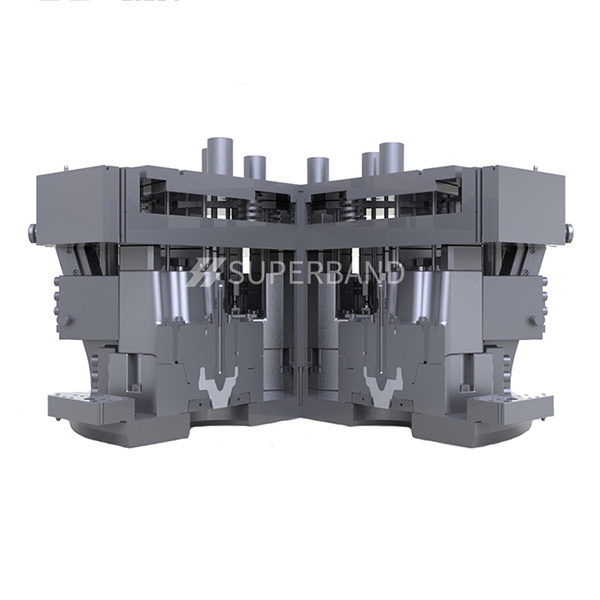
Thermal management dictates cycle times and final part quality. Conformal cooling channels represent a major upgrade over traditional straight-line drilling. They wrap around complex geometries to extract heat uniformly. This prevents hot spots inside the cavity. Uniform cooling reduces internal stresses and prevents thermal fatigue in the tool itself. Faster heat extraction directly translates to shorter cycle times. You push more parts through the machine every hour. This efficiency boosts your overall production capacity significantly.
Gating and riser design logic demands rigorous validation. You should always require transparent simulation data from the manufacturer. Software like Magmasoft proves the gating system works before steel is ever cut. Simulations show exactly where solidification happens first. Engineers adjust the risers to feed molten metal into critical areas as the part cools and shrinks. This feeding mechanism prevents dangerous shrinkage cavities. Shrinkage cavities inside a steering knuckle invite disastrous stress fractures.
Evaluating steering knuckle mold specifications requires careful tool steel selection. High production volumes demand premium materials. Premium H13 tool steel offers excellent thermal shock resistance. It maintains high-temperature hardness beautifully. You must match the steel grade to your expected production volume. A cheaper steel might save money upfront. However, it will fail early under the immense stress of aluminum die casting. Frequent tool repairs erase any initial cost savings.
Tolerances and draft angles define baseline acceptability. Strict specifications ensure seamless part ejection. If draft angles are too shallow, parts stick to the cavity walls. Ejector pins must push harder, which warps the hot knuckle. You must define these parameters early. Correct angles maintain part geometry while ensuring smooth automated production. Ejection kinematics must be flawless to prevent surface scoring.
Tooling Requirements by Automotive Material
| Alloy Type | Recommended Tool Steel | Cooling Strategy | Typical Draft Angle |
|---|---|---|---|
| Aluminum (HPDC) | Premium H13 / Dievar | Conformal, high-flow | 1.5 to 2 degrees |
| Aluminum (LPDC) | H11 / H13 | Directed air and water | 1 to 2 degrees |
| Ductile Iron | P20 or Cast Iron (Patterns) | Standard chill placement | 2 to 3 degrees |
| Forged Steel | H11 / H13 | Internal flood cooling | 3 to 5 degrees |
When deciding between architectures, you must evaluate your specific engineering needs. Standardization works well in very specific scenarios. Standard commercial vehicle aftermarket replacements often utilize existing tool designs. If the suspension geometry remains unchanged from legacy models, deploy standard tooling. This controls initial engineering costs. It also speeds up deployment significantly. You can often begin mass production weeks earlier. Standard platforms reduce the guesswork involved in thermal management.
However, modern automotive designs frequently demand a custom steering knuckle mold. Complex suspension geometries require bespoke solutions. Proprietary lightweight alloy transitions introduce unique shrinkage rates. Standard molds cannot accommodate these intricate internal coring requirements. Custom tooling ensures structural rigidity while stripping away excess weight. It perfectly matches the specific metallurgical properties of your chosen alloy. Engineers can integrate localized squeeze pins. These pins eliminate porosity in thicker sections of the knuckle.
Building the business case relies on accurate ROI calculations. You balance higher upfront engineering costs against long-term manufacturing savings. Custom molds optimize cycle times perfectly. They drastically reduce scrap rates by eliminating common defects. A custom tool might cost substantially more initially. But it saves hundreds of thousands of dollars in secondary machining. It also eliminates rejected parts over its lifespan. Less scrap means higher material utilization and better factory throughput.
The T0 to final approval process involves multiple complex iterations. T0 represents the very first physical sample from a new tool. Do not expect perfection at this stage. Initial mold trials expose minor flow issues or dimensional variations. Establish realistic timelines for these design iterations. You typically need two to three sampling rounds. This ensures full sample validation occurs properly. Expect this entire phase to take several weeks.
Tool wear and maintenance pose ongoing production risks. Mold degradation is an unavoidable reality in high-pressure casting environments. Rapid thermal cycling eventually causes heat checking on the mold surface. You must schedule preventative maintenance carefully. Inspect cooling lines for scale buildup regularly. Polish the cavity surfaces to maintain smooth part ejection. Plan these interventions strategically. Scheduled downtime avoids disrupting active chassis supply chains.
Compliance and traceability remain absolute mandates. Automotive safety audits require strict part marking. The mold design must allow for clear identification. You need designated areas for heat codes, date stamps, and batch numbers. These markings ensure complete traceability in the event of a recall. If the tool design obscures these markings, you fail OEM audits. Laser etching or cast-in inserts provide permanent identification.
Follow these sequential rollout phases for success:
You need dedicated engineering partners, not just basic manufacturers. Buyers must look for a steering knuckle mold supplier who offers in-house metallurgical expertise. Steel cutting is merely the final step in a long process. A capable partner conducts advanced flow simulations internally. They interpret the data to optimize wall thicknesses and gate locations. They anticipate thermal fatigue before it happens. Their engineers should challenge your CAD models. They suggest modifications to improve manufacturability.
Quality Management Systems (QMS) dictate supply chain readiness. Automotive manufacturing requires rigid adherence to specific global standards. IATF 16949 certification remains absolutely mandatory. Do not engage suppliers lacking this vital credential. You also need solid evidence of PPAP (Production Part Approval Process) readiness. This proves they document and control every single variable affecting part quality. Consistent documentation prevents quality fade over long production runs.
Assess capacity and redundancy thoroughly during your audits. Supplier scale matters immensely when things go wrong. Can they handle emergency tool repairs quickly? Do they stock replacement ejector pins and core inserts locally? You must know their capability to scale production. Chassis part demand can spike suddenly. A localized facility equipped with redundant CNC capacity prevents catastrophic production halts. They should offer backup machining centers to guarantee uninterrupted tooling maintenance.
The steering knuckle mold is never a generic tooling expense. It serves as a foundational asset dictating chassis safety. It also determines your overall production profitability. Poor tooling choices cripple mass production and introduce severe safety liabilities. Precision engineering guarantees dimensional accuracy and eliminates scrap. You protect your margins by getting the tooling right the first time.
Here are your crucial next steps:
A: The standard timeline spans 4 to 8 weeks. The process begins with initial design and flow simulation, which takes about one to two weeks. CNC machining and tool assembly require another three to four weeks. The final weeks cover T0 sampling, dimensional adjustments, and PPAP validation.
A: Precise core designs and strict wall thickness controls enable safe lightweighting. Advanced tooling geometries remove excess material without sacrificing structural rigidity. This allows engineers to transition parts from heavy iron to lightweight aluminum alloys safely while maintaining load-bearing capabilities.
A: You should demand comprehensive mold flow analysis reports and tool steel material certificates. Additionally, request their standard PPAP documentation templates and formal preventative maintenance schedules. This ensures they meet strict automotive compliance standards.


