

Views: 0 Author: Site Editor Publish Time: 2026-08-27 Origin: Site


Molten metal meets solid steel in a violent clash of physics on the foundry floor. Creating perfect automotive wheels demands tooling capable of withstanding extreme thermal shock. The term "aluminum wheel mold" often creates a common industry misunderstanding. It actually refers to the heavy-duty tooling used to cast aluminum wheels. It does not mean a mold made of aluminum itself. Your chosen tooling material directly dictates thermal fatigue resistance. It heavily influences cooling cycle times. It also controls the final yield rate of your cast wheels. Poor material selection quickly leads to catastrophic tool failure. This inevitably causes stalled production lines and missed delivery schedules. Procurement and engineering teams need a vendor-neutral framework to evaluate these crucial tooling materials. We will explore how to balance upfront material investments against long-term operational lifespan. You will learn how to identify hidden production risks. You will also discover how to confidently select the right base metals for your specific casting requirements.
Foundry operators face a constant battle against thermal physics. Molten aluminum enters tooling cavities at temperatures frequently exceeding 700°C. Standard automotive alloys like A356.2 carry an immense amount of latent heat. This sudden heat transfer subjects the internal cavity to intense thermal shock. Your material choice determines how the tooling absorbs this violent energy spike. It also dictates how efficiently the metal dissipates the heat outward.
Cooling cycle times dictate your entire production schedule. Tooling materials must possess excellent thermal conductivity properties. High conductivity allows cast wheels to cool rapidly and evenly. Fast cooling leads to quicker part ejection from the machine. You can directly increase your hourly production rates by optimizing this thermal dissipation. Even a ten-second reduction in cycle time yields massive annual volume increases.
Material stability acts as your primary defense against critical casting defects. We frequently see inferior tooling metals cause uneven cooling zones. Uneven cooling directly triggers porosity and shrinkage in the final aluminum wheel. These defects ruin the structural integrity of the product.
You must rely on stable metals to ensure consistent metallurgical grain structures. Consistent cooling forces the aluminum to solidify directionally. Directional solidification feeds fresh metal into shrinking areas perfectly.
Successful tooling investments depend entirely on cycle endurance. You should measure success by the number of flawless casting cycles achieved. High-quality metals maximize these cycles before you need costly interventions. Interventions include major weld-repair, surface re-machining, or complete cavity replacement. Cheap materials fail early. They force operators to pull the tooling from the machine for constant maintenance. This downtime destroys casting profitability.
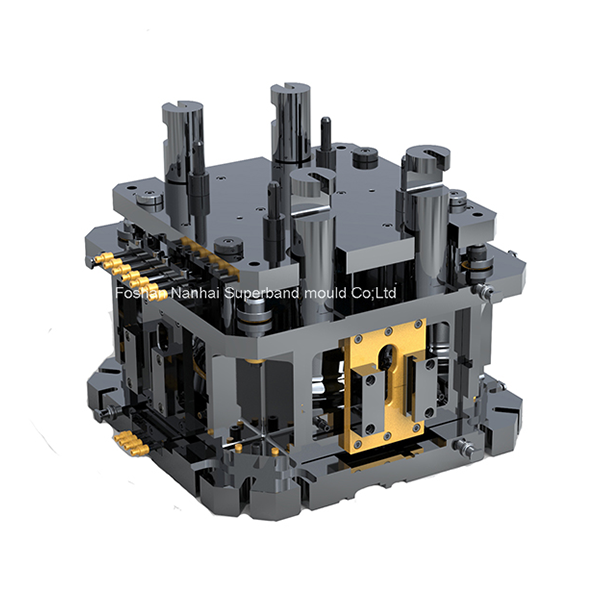
Engineers generally select from three primary material categories. Each option offers specific benefits for different casting requirements. You must align the material perfectly with your specific casting process.
H13 tool steel dominates the high-volume wheel casting industry today. It delivers exceptional high-temperature strength and toughness. Chromium, molybdenum, and vanadium give H13 its robust properties. This grade strongly resists thermal fatigue. The industry commonly refers to this fatigue as heat checking. Repeated heating and cooling cycles will eventually crack weaker steels. H13 withstands this cyclical punishment reliably over tens of thousands of cycles.
You should use H13 for high-volume production lines. It handles complex geometrical wheel designs beautifully. The material machines cleanly and holds sharp details well.
Best Practice: Always specify Electro-Slag Remelted (ESR) H13 steel. The ESR process removes impurities and sulfur. This creates a much tougher, fatigue-resistant cavity.
Foundries often turn to cast iron or ductile iron for specific components. These materials offer superior thermal conductivity compared to standard tool steels. They also carry a significantly lower raw material cost. Iron grades provide excellent heat dissipation naturally.
You will frequently see ductile iron utilized for the bottom or side cores of a low-pressure casting aluminum wheel mold. Low-pressure processes apply less mechanical stress to the tooling. This lower stress allows you to leverage the high thermal conductivity of iron safely. Specific heat control in these large zones prevents massive wheel deformation during ejection.
Common Mistake: Never use standard gray cast iron for complex cavity details. It lacks the tensile strength required to survive repeated mold closing forces.
Sometimes, steel and iron simply cannot remove heat fast enough. Foundries use beryllium copper inserts in critical, hard-to-cool zones. The center hub of a wheel often requires these inserts. These specialty alloys offer exceptional thermal conductivity.
They drastically speed up local cooling rates. You must balance the high raw material cost against the gained production efficiency. Faster cycle times often justify the initial insert expense quickly.
What to watch out for: Beryllium copper presents health risks during the machining process. Your supplier must adhere strictly to environmental and safety regulations when cutting this material.
| Material Category | Thermal Conductivity | Fatigue Resistance | Primary Use Case |
|---|---|---|---|
| Premium H13 Steel | Moderate | Excellent | Main cavities, complex wheel faces |
| Ductile Iron | High | Moderate | Large bottom cores, side cores |
| Beryllium Copper | Very High | Low (Prone to wear) | Targeted inserts, center hubs |
Procurement teams must evaluate base materials across several technical dimensions. This rigorous evaluation ensures the tooling meets demanding production schedules. You cannot rely on generic material grades alone.
Tooling experiences violent and continuous temperature swings. Molten metal injection heats the cavity surface rapidly. Internal water and air lines then cool the block aggressively. This repeated push-and-pull stress causes microscopic surface cracking over time.
You must select alloys capable of absorbing this cyclical punishment without fracturing. Once thermal cracks begin, they propagate quickly deep into the steel block. This leaves terrible aesthetic marks on the cast wheels. It eventually leads to complete tooling failure.
Modern automotive wheels require flawless surface aesthetics. The raw tooling material must allow for high-precision CNC machining. Your manufacturing partner must be able to polish the cavity to a near-mirror finish.
Some overly hard or impure materials resist polishing entirely. Impurities in cheap steel drag across the surface during polishing. This creates micro-scratches. These scratches transfer directly onto the final wheel casting. This directly harms the wheel's visual appeal and brand reputation.
All metals naturally expand when heated. Your chosen material must resist permanent warping. It has to maintain tight aluminum wheel mold specifications under continuous thermal load. Yield strength at elevated temperatures is a critical metric.
If the tooling warps even a fraction of a millimeter, disaster strikes. The cast wheels will fail runout tests. They will fail dynamic balancing tests. You will end up scrapping entire production runs due to dimensional instability.
Procurement leaders must evaluate the true return on investment. Premium-grade, certified steels often command a 20-30% upfront price premium. However, this initial premium usually extends tooling lifespan by up to 50%.
You must evaluate this cost-to-outcome ratio carefully. Spending slightly more initially drastically reduces your per-wheel tooling cost. It minimizes machine downtime. It eliminates the need for emergency weld repairs. It keeps your foundry running smoothly.
Material data sheets only tell half the story. Real-world foundry implementation introduces several hidden operational risks. You must anticipate these risks before signing a purchase order.
Even the highest-grade H13 steel will fail prematurely if improperly processed. Suppliers must execute precise hardening and tempering protocols. The industry standard NADCA 207 outlines these exact procedures.
Rushed heat treatment leaves severe internal stresses trapped in the metal block. Undocumented tempering processes often result in brittle cavities. These cavities look perfect upon delivery. However, they will crack catastrophically during early production runs. You must verify heat treatment logs.
Inferior base metals force engineers into awkward design compromises. Poor natural conductivity requires highly aggressive internal cooling strategies. Engineers often design overly complex, failure-prone cooling channel layouts in a custom aluminum wheel mold to compensate for bad steel.
These complex, winding lines frequently clog with scale over time. They also leak during operation. Water leaking into a molten aluminum cavity causes dangerous steam explosions. You must pair good material with smart, simple cooling designs.
Foundries apply protective washes and ceramic coatings to the cavity. These coatings prevent molten aluminum from sticking to the steel surface. However, coatings degrade rapidly when applied to incompatible or porous base metals.
This chemical mismatch leads to severe soldering. Soldering occurs when molten aluminum physically welds itself to the tooling steel. Soldering halts production immediately. Operators must stop the machine and manually grind the aluminum out of the cavity. This damages the tooling and wastes valuable production time.
Selecting the right manufacturing partner mitigates most material risks. You must look beyond simple capability brochures. You need a partner who understands metallurgical science deeply.
Move beyond basic marketing claims during your initial search. Request empirical data on past tooling lifecycles. Ask prospective partners to share detailed case studies.
They should prove their cycle counts before major repair intervals. A competent partner will gladly show you data on how their H13 cavities perform past 70,000 shots. Reject suppliers who cannot provide real-world wear data.
Counterfeit tool steels flood the global manufacturing market constantly. You must insist on official material certification for every block of steel used. Require certified mill test reports from your aluminum wheel mold supplier.
These reports verify exact steel purity. They confirm exact alloy compositions down to the decimal point. They prove you are getting genuine premium steel, not a cheap imitation that will crack next month.
Verify the supplier's in-house quality assurance tools before awarding the contract. They should conduct regular ultrasonic testing on raw steel blocks. Ultrasonic testing detects hidden internal material voids before machining begins.
They must also use a Coordinate Measuring Machine (CMM) extensively. CMM validation ensures the machined cavity perfectly matches your dimensional tolerances. It guarantees the final product aligns perfectly with your engineering drawings.
Structure your Request for Quotation (RFQ) to demand accountability. Include these specific requirements in your document:
Successful wheel casting requires a deep understanding of metallurgical properties. You must always match your material selection explicitly to your specific casting technology. Gravity casting and low-pressure casting demand different thermal strategies.
Avoid the false economy of cheap materials. The cheapest initial tooling always produces the most expensive wheels. High scrap rates, constant downtime, and early tool failures quickly erase any upfront savings.
Demand total transparency from your manufacturing partners. Require verifiable metallurgical reports and heat treatment logs for every project. Prioritize cooling efficiency and thermal fatigue resistance. This strategic focus will maximize your hourly production yields and secure long-term foundry profitability.
A: Lifespan heavily depends on the casting method, daily maintenance, and initial material grade. A high-quality H13 steel cavity typically yields between 50,000 to over 100,000 shots. Regular stress-relieving maintenance and proper cooling line management significantly extend this cycle count.
A: Ductile iron provides exceptional thermal conductivity. It removes heat from molten aluminum much faster than standard tool steels. Low-pressure casting involves lower injection stresses, making the extreme high strength of H13 unnecessary in certain zones. This makes iron a highly cost-effective and thermally efficient choice.
A: No. Casting tooling must have a significantly higher melting point than the injected material. If you poured molten aluminum into an aluminum cavity, the tooling would simply melt or deform instantly. Aluminum molds are strictly reserved for lower-temperature applications like plastic injection molding.
A: Tooling material controls the thermal dissipation rate. The speed at which molten aluminum cools dictates its metallurgical grain structure. Consistent, rapid cooling promotes a fine grain structure. This fine structure increases the wheel's tensile strength and dramatically reduces internal porosity.


