

Views: 0 Author: Site Editor Publish Time: 2026-01-29 Origin: Site


Why do some dies crack early, while others run for years? In aluminum die casting, the mold material often decides it.
In this article, we answer: What are aluminum die casting molds made of? You will learn common die steels, smart inserts, and surface treatments, plus a buyer checklist to source faster.
Most aluminum die casting molds use hot-work tool steels. They keep strength when the die surface runs hot. They resist thermal fatigue during nonstop heating and cooling. Their toughness helps the die survive corners, slides, and core pins. They machine well for complex cavities and fine vent details. They accept nitriding and PVD coatings for longer service life. For most programs, they deliver strong cost per shot and rebuild stability. Ask suppliers which steel batch they use for each insert set. It helps you predict rebuild timing and spare part needs.
H13 is the most common steel for aluminum die casting dies. Many plants label it DIN 1.2344 or JIS SKD61. It balances hot hardness and toughness better than many alternatives. That balance slows heat checking and reduces corner cracking risk. It also holds cavity size well during long production campaigns. H13 responds well to controlled quench and multiple temper cycles. If heat treatment is controlled, it gives consistent die life and stable quality. Ask for a hardness target and proof from each heat treat batch. It keeps performance steady across shifts and rebuild cycles.
H11 is another hot-work steel used in aluminum die casting. It often provides higher toughness than H13 at similar hardness. This helps when dies crack under severe thermal shock conditions. It also helps large inserts that see bending stress near slides. Some teams use H11 for core blocks and thick sections. They then use harder inserts for gates and wear edges. This split approach can reduce sudden failures during ramp up and rebuilds. Use it when your die shows early corner cracks or core breakage. It trades some wear resistance for better crack tolerance.
Premium hot-work steels use cleaner melting routes and tighter controls. They often show fewer inclusions and a more uniform microstructure. Cleaner steel can delay crack initiation during long, high duty campaigns. It can also improve polishability for visible casting surfaces. Many buyers consider 8407-type grades for demanding die temperatures. They cost more per block, yet downtime and repairs often drop. If uptime drives profit, premium grades can pay back quickly. Consider it when planned output is high and stops are costly. It can reduce unplanned welding and insert replacements.
Pre-hardened steels can help in cooler die components and support blocks. NAK80 is known for easy machining and stable dimensions after cutting. It can polish well for fixtures, trim tools, and holder faces. Yet it lacks the hot strength needed for main die faces. In aluminum die casting, thermal fatigue attacks hot faces first. So we keep pre-hardened steels away from direct metal contact zones. Use them where heat load stays low, stable, and predictable. Use it for backing plates or holders that need stable machining. It suits stable, low heat parts.
Some teams use aluminum tooling for short prototype loops. It machines fast, so geometry changes can happen quickly. It helps prove gating concepts and ejection timing early. Yet it erodes fast under aluminum die casting conditions. It also suffers thermal fatigue far earlier than tool steels. So it is not a production solution for most parts. If you use it, set a clear shot-life goal and plan a steel tool. Use it to validate parting, vents, and ejection before cutting steel. Treat it as learning tooling, not a long-run production asset.
Material | Best use | Strengths | Risks |
H13/H11 hot-work | Cavities, cores | Heat-check resistance | Cracks if mis-tempered |
Premium hot-work | High duty dies | Longer life | Higher block cost |
Pre-hardened steel | Holders, backs | Fast machining | Weak on hot faces |
Aluminum alloy | Prototypes | Fast changes | Very short life |
Tip: Request steel traceability and hardness maps before tool acceptance.
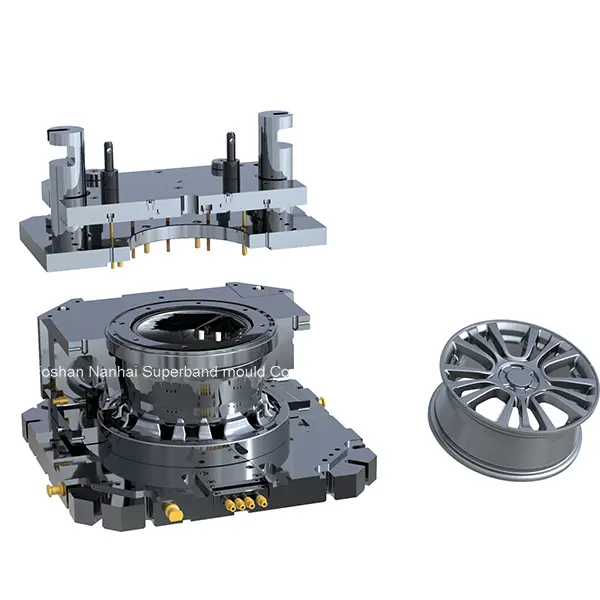
Molten aluminum heats the die face in seconds during each shot. Cooling lines then pull heat away very quickly after fill. This cycling creates surface cracks known as heat checking. Hot-work steels resist it through alloy design and temper stability. They keep toughness, so small cracks grow more slowly. They also keep hot hardness, so the surface stays supported. Geometry still matters, so add fillets and reduce sharp edges. You should also balance cooling so one zone never overheats. Stable temperature spreads stress and slows heat checking growth. Verify gradients using simple thermocouple checks.
Aluminum die casting uses high injection pressure and clamp force. The die must hold shape while metal fills thin features. Hot-work steels keep compressive strength at elevated die temperatures. They also keep hardness, which slows wear on parting surfaces. Low hardness can cause flash and parting damage over time. Excess hardness can raise brittle cracking risk at corners. Heat treatment must target a safe hardness window for each die area. Ask how they protect parting lines from wear and local indentation. It reduces flash, rework, and clamp force escalation over time.
High velocity flow can wash out gates and runners over many cycles. Some alloys can also corrode steel during long exposure. Another common issue is soldering, or aluminum sticking on die faces. It hurts surface finish and increases cleaning downtime. Steel grade helps, yet surface condition often matters more. Coatings, polish level, and lube control change sticking behavior. Cooling balance matters because hot spots promote buildup and soldering. Track which cavity zones stick, then link them to heat maps. This guides insert choice, cooling changes, and coating selection. Audit spray timing during every shift.
Note: If soldering rises, check die temperature balance before changing steel.
Gates and runners face the highest erosion in aluminum die casting. Tungsten carbide inserts resist washout far better than steel. They keep hardness at temperature and protect gate geometry longer. That stability improves fill repeatability and reduces scrap drift. Carbide is brittle, so it needs strong support and tight fits. It also needs careful assembly to avoid edge chipping. Use carbide where flow velocity is highest, then keep steel for shock loads. Ask where they have used carbide successfully on similar alloys. It reduces gate drift and keeps fill behavior consistent longer. Ask for sample gate measurements after long trial runs.
Copper alloys move heat faster than hot-work steels in the die. They can cut cycle time near hot spots and thick bosses. Faster cooling can reduce shrinkage porosity in heavy sections. Lower surface temperature can also reduce soldering on problem faces. Copper inserts need careful placement and strong mechanical support. They can deform under clamp load if support is weak. Many designs place copper behind a steel skin, so it avoids direct metal attack. Ask for a thermal simulation or temperature probe plan in trials. It proves the insert is cooling the area you expect. Also confirm sealing details, since copper inserts can leak if fit is poor.
Hybrid dies use replaceable inserts in predictable wear areas. This reduces repair cost and limits downtime during rebuilds. Core pins often fail first in aluminum die casting programs. If pins are modular, swaps become quick and lower risk. Slide inserts also benefit because they see heat and friction together. Good suppliers define interfaces and keep spares ready for programs. Foshan Nanhai Superband Mould Co., Ltd. supports modular planning plus CAE reviews. Ask for a spare list and lead times for every consumable insert. It protects your line when failures happen during peak demand. Ask if they can support overseas service and quick refurb options. It reduces shipping delays when your line cannot stop.
Tip: Build a spare insert list during design, not after failures.
Nitriding creates a hard surface layer on hot-work tool steel. It improves wear resistance on parting lines and gates. It can also reduce soldering by changing surface chemistry. Yet it can add brittleness if the case becomes too deep. That risk grows around sharp corners and thin ribs. Nitriding works best after good radius design and stable cooling. Request case depth targets and process records for each treatment batch. Confirm post-treatment polishing and inspection steps for the cavity face. It avoids rough layers that can trap aluminum and stick. Ask whether they mask corners to preserve toughness.
PVD coatings reduce friction and metal adhesion on contact surfaces. They help aluminum release from the die face during ejection. They also reduce galling on slides and ejector components. Common choices include TiAlN and CrN coating families. The best choice depends on alloy, die temperature, and lube style. Surface preparation drives adhesion and usable coating life. Target coatings on high value zones first, then validate through cleaning intervals. Ask for coating thickness targets and recoat limits after polishing. It helps you plan maintenance without damaging dimensions. Clean vents often, since buildup can damage coated surfaces.
Treatments should match your process window and quality goals. If you run hot, soldering risk rises and coatings help more. If you run fast, erosion rises and nitriding can add value. If you need cosmetic faces, polish control matters most. Some teams use release-layer routines to stabilize ejection across shifts. The best plan combines steel, heat treat, and surface treatment choices. It also includes cleaning discipline and lube control rules for operators. Define one goal per surface, such as wear, release, or cosmetics. Then validate it using scrap rate and cleaning interval data. Plan a small DOE during trials to confirm the best combination.
Treatment | Helps most | Best areas | Watch-out |
Nitriding | Wear | Parting, gates | Brittle corners |
PVD | Release | Faces, slides | Prep drives life |
Release routine | Stability | Cosmetic faces | Needs discipline |
Note: Treatments amplify good cooling design, but they cannot fix hot spots.
Heat treatment drives die life more than any steel label alone. Hot-work steels need hardening and controlled quenching steps. Tempering then tunes hardness and restores useful toughness. Many shops use multiple tempers for stable service performance. Request a hardness window for each insert and die area. Also request test results for each block and rebuild cycle. Heat treat records should list soak time, quench method, and temper schedule. Prefer suppliers who control both steel sourcing and heat treat audits. It reduces variation between blocks and speeds troubleshooting. Ask for microstructure photos in trials.
Distortion can ruin die fit even when steel grade is correct. Good shops rough machine, then heat treat, then finish machine. They also stress relieve when geometry is thin or complex. This sequence protects datums and reduces parting mismatch risk. Cavity finish affects soldering and casting surface appearance. A smoother finish can reduce sticking and cleaning time. Define finish targets by function, then verify them using measured Ra values. Ask for a machining route plan and datums before final finishing. It reduces surprises when you assemble slides and inserts. Check flatness after final stress relief.
Verification turns supplier claims into evidence you can trust. Start with material certificates and heat treat traceability documents. Then request hardness maps across key faces and core areas. Dimensional inspection should confirm datums, parting, and insert fits. Many programs include CMM reports for critical geometry and slide travel. Trial reports should show defects, locations, and corrective actions taken. This package supports root cause work and protects you during audits. Use the package to lock process parameters after the first trials. It makes later changes traceable and easier to approve. Archive reports for every rebuild cycle.
Die material choice should match volume and uptime targets. Low volume tools may accept standard H13 and limited treatments. High volume tools need fewer stoppages and predictable rebuild cycles. Cost per shot is the clearest way to compare material strategies. It includes steel cost, heat treat, coatings, and downtime losses. Premium steel can cost more, yet reduce unplanned repairs. Inserts can also lower cost per shot by protecting wear zones and gates. Ask suppliers to separate material cost from expected shot life claims. Then compare options using the same downtime assumptions. Build a simple model, then update it after the first trial data.
Part geometry sets stress and heat load inside the die cavity. Thin walls raise fill speed and thermal gradients very quickly. Thick bosses create hot spots and shrinkage pressure zones. Sharp corners create crack starters during thermal cycling. Large dies also increase distortion risk during hardening steps. Use tougher steels and larger radii in high stress zones. Request a DFM review that marks hot spots, stress areas, and insert needs. Use inserts to isolate high stress zones and simplify future repairs. It keeps the whole die from suffering one local failure. Ask for a stress map from CAE and validate it in trials.
Process conditions decide which die strategy works best. Higher melt temperature raises soldering and corrosion risks. Higher injection speed raises gate erosion and flash risk. Faster cycles raise thermal fatigue and crack growth pressure. Share your machine window, alloy, and cycle targets early. Then judge suppliers on execution capability, not brochures. Look for traceable steel, controlled heat treat partners, CAE support, and inspection strength. For audits, review their inspection tools and their report templates. It shows whether they can support your customer documentation. Ask how they manage ECN changes and revision control.
Input | Impact | Focus | Mistake |
High volume | Uptime cost | Premium steel, inserts | Buy cheapest steel |
Short cycle | Thermal fatigue | Cooling, coatings | Skip heat mapping |
Hot alloy | Sticking risk | Finish, lube, PVD | Accept soldering |
Complex part | Stress peaks | Radii, modular zones | Freeze design early |
Most aluminum die casting molds rely on hot-work tool steels, often H13, because it balances hot strength and toughness. Inserts, surface treatments, and disciplined heat treatment push die life further, while reducing soldering, erosion, and downtime.
For buyers, the best choice depends on volume, part hot spots, and your real machine window. If you need a practical, one-stop tooling partner, Foshan Nanhai Superband Mould Co., Ltd. supports aluminum die casting mold design, insert planning, and inspection-ready delivery, so programs launch faster and run more stable.
A: Most use hot-work tool steels like H13 or H11 for heat and pressure resistance.
A: In aluminum die casting, the die face cycles heat fast, so weak steel cracks and wears early.
A: Aluminum die casting dies use smooth finishes, balanced cooling, and coatings to reduce sticking.
A: Yes, inserts protect high-wear zones and make repairs faster in aluminum die casting programs.
A: Poor heat treatment, sharp corners, and hot spots often trigger early cracks in aluminum die casting.


