

Views: 0 Author: Site Editor Publish Time: 2026-02-05 Origin: Site


How can molten aluminum turn into a finished part in seconds? That speed is the promise of high pressure aluminum die casting, and it is why many factories trust it.
In this article, we explain what aluminium high pressure die casting is, how the HPDC cycle runs, and what risks to control. You will learn benefits, defect limits, and a clear checklist for sourcing.
High pressure aluminum die casting, or HPDC, injects molten alloy into a steel die. The injection happens fast, under extreme pressure. The die stays closed under high clamp force. The metal fills thin walls and small details quickly. Then it cools and solidifies inside the die. Ejector pins push the part out after cooling. The cycle repeats again in seconds. It works best for high volume production. It also fits parts needing repeatable shape and finish. Many teams choose it to reduce machining work later.
Most aluminum HPDC uses a cold-chamber machine. The metal melts in a separate holding furnace. A ladle doses metal into the shot sleeve each cycle. A hydraulic plunger pushes the metal into the die. This layout protects the injection system from constant heat. It also supports tighter control over dosing and sleeve conditions. It helps when melt temperature runs high. It also helps when alloy chemistry needs careful control. For buyers, cold-chamber also affects cycle design. It adds one more step to stabilize. It also adds more places for air pickup if handling is sloppy.
“High pressure” means the process forces metal into the cavity before it freezes. It is not just one pressure value. It includes fast shot speed and intensification pressure. Fast fill helps reach thin ribs and long flow paths. Intensification helps pack the metal during early solidification. That packing can reduce shrink defects in many designs. Yet pressure also raises risk of trapped gas. It can lock air inside the casting if venting is weak. So “high pressure” is both a strength and a risk driver. Good dies balance gate design, vents, and temperature control.
Note: Pressure helps fill thin walls, yet it can trap gas fast.
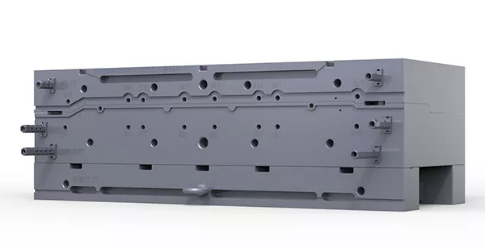
The cycle starts when the die halves close and lock. The machine applies clamping force to keep a tight seal. The seal must resist injection pressure and metal impact. If clamping is low, flash can form at the parting line. If clamping is too high, die wear can rise over time. The die also needs stable alignment each cycle. Misalignment can damage parting faces and slides. Buyers should ask about clamp tonnage range and die alignment checks. They should also ask how the supplier monitors flash drift during production.
Next, molten aluminum moves into the shot sleeve. The ladle volume must match the shot size. Too little metal can cause short shots. Too much metal can overflow or trap more air. Temperature control matters during dosing. A cold slug can freeze early and disrupt flow. A hot dose can raise soldering risk on die faces. Cleanliness also matters in the sleeve. Oxide films and dross can enter the cavity if control is weak. Buyers should ask about melt handling rules and sleeve cleaning routines. They should also request melt temperature logs during trials.
Injection happens in stages on many machines. A slow stage reduces air mixing in the sleeve. A fast stage then fills the cavity in a short time. Gate design controls flow direction and speed in the cavity. Poor gating can create cold shuts and flow marks. Venting must let air escape before metal seals the vents. If vents clog, porosity and burn marks can rise. Vacuum assist can help pull air out faster in tough parts. Buyers should ask how the supplier sets shot profiles. They should also ask how they validate gate and vent function during trials.
After fill, intensification pressure holds metal during solidification. It can feed shrink in some regions through the gate. It also helps improve surface replication on fine details. Yet it cannot fix bad thermal balance. Hot spots still create shrink risk if feeding is blocked. Cooling lines and die temperature control matter here. Stable die temperature reduces drift between early and late shots. It also improves dimensional repeatability over long runs. Buyers should ask about die temperature targets and control methods. They should also ask where thermal sensors sit on the die.
When the casting reaches ejection strength, the die opens. Ejector pins push the part off the moving half. Then the part gets removed by hand or robot. Spray and air cooling prepare the die for the next cycle. This step influences both temperature stability and die life. Too much spray can chill the die and cause cold shuts. Too little spray can overheat the die and cause soldering. Ejector pin layout also matters for cosmetics and distortion. Buyers should ask for an ejection plan and spray control approach. They should also request repeatability checks during long trial runs.
HPDC cycle stage | What happens | What buyers should verify |
Clamping | Die locks under high tonnage | Flash control plan and alignment checks |
Dosing | Molten metal enters shot sleeve | Melt temp logs and sleeve cleanliness |
Injection + fill | Plunger fills cavity fast | Shot profile, vent layout, vacuum use |
Intensification | Pressure holds during freeze | Thermal targets and sensor placement |
Ejection + reset | Part ejects, die gets sprayed | Ejector marks plan and die temp stability |
Tip: Ask for shot curves and die temperature records from the first trials.
• It runs fast cycle times on automated cells.
• It repeats the same cavity shape every shot.
• It supports multi-cavity tools for higher output.
• It reduces labor per part after stabilization.Those points drive low unit cost at scale. The key is stable uptime and low scrap. We should plan maintenance windows for inserts and vents. We should also plan spare slides and pins for wear zones. When the supplier plans those items early, output stays stable. It also reduces emergency stops during peak demand. HPDC shines when you need many identical parts quickly.
• A hardened die holds geometry across many cycles.
• Fast fill replicates fine features and textures.
• Controlled cooling reduces drift between shots.
• Less machining is possible on many surfaces.Repeatability still needs discipline. Tooling alignment, die temperature, and spray control must stay stable. If they drift, dimensions can drift too. A good supplier uses CMM checks and SPC sampling. They also track parting wear and flash changes. When you align on datums and inspection early, rework drops. HPDC then becomes a reliable path for tight assemblies.
• High pressure forces metal into thin sections.
• It supports ribs and bosses in one casting.
• It can replace multi-part weldments in some cases.
• It supports complex housings and covers.Thin walls reduce weight and material cost. Yet they also raise risk of misruns and cold shuts. So we need smart gate placement and stable die temperature. We also need balanced wall thickness across the part. HPDC works best when DFM supports smooth flow paths. When you design for it, you can integrate features and reduce assembly steps. That often improves both cost and reliability.
Porosity is the top HPDC risk for many buyers. Gas porosity comes from trapped air during fast filling. Shrink porosity comes from feeding limits during solidification. Both can reduce fatigue life and pressure tightness. They also can create cosmetic pits after finishing. You should track pore type and pore location in trials. It helps you pick the right fix faster. Gas issues often point to vents, vacuum, or shot profile. Shrink issues often point to hot spots and feeding paths. Clear defect mapping saves time during launch.
Many HPDC parts face limits on heat treatment. Trapped gas can expand during heating. That expansion can cause blisters on machined surfaces. It also can weaken leak tight performance. So pressure tight parts need tighter control of porosity. Some programs use vacuum assist and better vent cleaning. Some also use special process variants for low porosity needs. For sealing parts, leak testing becomes important. It helps catch risk early in production. Buyers should define sealing targets and test methods before tooling release. It prevents disputes after samples look good.
Good controls reduce risk without adding chaos. We can use vacuum assist for hard-to-vent cavities. We can use better vent design and cleaning access. We can tune shot profiles to reduce sleeve air mixing. We can balance die cooling to reduce hot spots. We can also tighten melt handling to reduce oxide films. These controls work best as a system, not as single fixes. Buyers should ask which controls the supplier can prove. They should also ask how they hold settings across shifts. Stable controls keep yield stable and protect the business case.
Note: A “perfect sample” means little without stable settings and vent maintenance.
HPDC is common in automotive supply chains. It fits transmission cases, motor housings, and brackets. It supports ribbing and thin walls for weight reduction. It also supports consistent geometry for assembly lines. EV programs use it for motor and controller housings often. Those parts need good heat flow and stiff structure. Yet they also face sealing and porosity concerns. So they often need better venting and tight process windows. Buyers should align on leak tests and critical datums early. When they do, HPDC can scale smoothly for long programs.
Electronics housings need thin fins and stable flatness. HPDC can form fine fins and bosses in one shot. Aluminum also helps move heat away from electronics. Many enclosures also need EMI shielding via metal walls. HPDC can provide the needed geometry and surface finish. Yet thin fins need strong gating and balanced cooling. Warpage can affect gasket seals and cover fit. So we need careful DFM for flatness control. Buyers should request flatness measurement plans during trials. They should also align on surface finish needs for coatings.
HPDC fits high-repeat consumer and industrial parts. Think power tool housings, gear covers, and handles. It supports good cosmetics and fast output. It also supports inserts in some designs for threads. Many parts need minimal machining after casting. That helps keep unit cost low at volume. Yet these programs still need stable die life. They also need stable trimming and finishing steps. Buyers should confirm the supplier’s trimming plan and tool wear plan. It prevents rising burrs and scrap during long campaigns. HPDC works well when the whole cell stays stable.
HPDC has high upfront tooling cost. So volume matters in the business case. If annual demand is high, unit cost can drop quickly. If demand is low, other methods may win. We should estimate cost per part using real cycle time. We should also include yield and finishing costs. Then we compare it to other processes. We also consider expected die life and rebuild cycles. If uptime risk is high, premium tooling features may pay back. A simple model helps teams align early. It prevents surprises after tooling purchase.
Use a short checklist before you lock design.
1) Keep walls balanced to reduce hot spots.
2) Use ribs for stiffness, not thick walls.
3) Add draft to support clean ejection.
4) Place parting lines off sealing faces.
5) Place ejector pins off cosmetic faces.These rules lower scrap and speed trials.
They also reduce tool rework later. If the design breaks these rules, cost rises fast. So ask for a DFM review before steel cutting. A strong supplier will mark hot spots and risk zones. They will also propose gate and vent changes early. Those changes are cheap in CAD, not in steel.
Supplier capability decides many HPDC outcomes. Ask for a trial plan and sample size. Ask for CMM reports on critical datums. Ask for X-ray or CT support when needed. Ask how they control shot profiles and die temperature. Also ask how they manage vent cleaning and insert spares. After-sales support matters during ramp up. Quick repairs protect your delivery schedule. Also ask about documentation for traceability and revision control. Good paperwork reduces approval delays. It also makes root cause work faster when defects appear.
Decision factor | HPDC is a strong fit when | Watch-outs to plan early |
Annual volume | Demand supports tooling payback | Tooling lead time and capital |
Geometry | Thin walls and integrated features matter | Draft, parting, ejector marks |
Quality | Repeatable dimensions matter | Porosity targets and inspection |
Finishing | Near-net surfaces reduce machining | Trimming, coatings, cosmetics |
Supply chain | Stable long runs are planned | Spares, maintenance, support |
Tip: Choose a supplier who can show trial data and long-run stability, not only marketing claims.
High pressure aluminum die casting injects molten aluminum into steel dies at high speed. We explained the HPDC cycle, why it scales for thin-wall parts, and which risks matter most, especially porosity and thermal balance.
Strong results come from smart DFM, stable shot settings, and disciplined vent and die temperature control. For HPDC tooling programs, Foshan Nanhai Superband Mould Co., Ltd. supports one-stop mold design, manufacturing, and trial-ready delivery, helping you shorten launch time, improve yield, and keep production steady.
A: It injects molten aluminum into a steel die at high speed and pressure for fast, repeatable parts.
A: High pressure aluminum die casting fills thin ribs fast before freezing, so parts can be lighter and more integrated.
A: High pressure aluminum die casting is faster and higher pressure, while LPDC fills slower for different porosity behavior.
A: High pressure aluminum die casting can show porosity, flash, cold shuts, and warpage if vents or temperatures drift.
A: Use strong venting, vacuum assist when needed, stable shot profiles, and balanced die temperature in high pressure aluminum die casting.


