

Views: 0 Author: Site Editor Publish Time: 2025-10-14 Origin: Site


Have you ever wondered how intricate metal parts are made with precision and efficiency? Gravity die casting is a key player in modern manufacturing. This process, especially popular for aluminum gravity die casting, creates high-quality metal components used in various industries. In this post, you'll learn about the gravity die casting process, its significance in manufacturing, and how it shapes products we use every day.
Gravity die casting is a straightforward process relying solely on gravity to fill the mold cavity. Here's how it works step-by-step:
1. Preheating the Die The die, usually made from steel or cast iron, is preheated to the right temperature before casting begins. Preheating prevents cold spots that might cause defects and ensures the molten metal flows smoothly. It also reduces thermal shock, extending the die's lifespan.
2. Pouring Molten Metal Molten metal is carefully poured into the die cavity from a ladle or pouring basin. Gravity pulls the metal down, filling every part of the mold. Controlling the pouring speed and direction minimizes turbulence and air bubbles, which can weaken the casting.
3. Solidification and Cooling Once inside the die, the metal cools and solidifies. Cooling starts at the mold’s surface and moves inward. The die's preheated state helps the metal solidify evenly, reducing internal stresses and defects like shrinkage or porosity. The cooling time depends on the metal type and the casting's thickness.
4. Opening the Die and Part Removal After solidification, the die is opened. The casting, now a solid metal part, is removed. A release agent applied earlier helps the casting separate easily from the mold. Sometimes ejector pins assist in removing the part without damage.
5. Machining the Part Often, the casting undergoes machining to refine its shape and surface. This step removes excess metal like gates or flash and achieves tighter tolerances or surface finishes required for the final product.
Each step is critical for producing high-quality castings. The process speed varies: simple parts may take minutes, complex or large parts may need hours due to longer cooling times.
Gravity die casting works well with a variety of metals, especially non-ferrous alloys. Choosing the right material depends on the part's requirements like strength, corrosion resistance, weight, and cost. Here's a closer look at common materials used in gravity die casting:
● Non-ferrous metals dominate gravity die casting applications.
● Metals must have good fluidity when molten to fill the die properly.
● Thermal conductivity and melting point influence material choice.
● Mechanical properties after solidification also matter.
Aluminum alloys are the most popular choice. They offer:
● Lightweight yet strong parts.
● Good corrosion resistance.
● Excellent castability and fluidity.
● Common grades include A356, A357, LM6, and LM25.
● Used widely in automotive, aerospace, and consumer goods.
Magnesium alloys stand out for their:
● Very low density, making parts extremely light.
● High strength-to-weight ratio.
● Good machinability.
● Common grades include AZ91D and AM60B.
● Ideal for aerospace, automotive, and electronics.
● Require careful handling due to flammability risks.
Zinc alloys provide:
● Great fluidity, allowing intricate, thin-walled parts.
● Good corrosion resistance.
● Cost-effective casting.
● Popular alloys are Zamak 3 and Zamak 5.
● Often used in electronics, decorative hardware, and small mechanical parts.
Copper alloys like brass and bronze are chosen for:
● Excellent electrical and thermal conductivity.
● Good corrosion resistance.
● Higher melting points require precise temperature control.
● Commonly cast alloys include C85800 (brass) and C93200 (bronze).
● Used in electrical components, plumbing fixtures, and decorative items.
Steel and cast irons are less common due to:
● Higher melting points.
● More complex casting process.
● Usually reserved for molds rather than cast parts.
● Occasionally used for parts needing high strength and wear resistance.
Gravity die casting offers several benefits that make it a popular choice for producing metal parts in various industries. Here's a detailed look at its key advantages:
Gravity die casting is often more affordable than other die casting methods, especially for medium production volumes. The tooling costs are generally lower because the dies are simpler than those used in pressure die casting. Plus, the process produces less scrap and requires less labor than sand casting, helping keep overall costs down.
Parts made by gravity die casting usually have a smooth surface finish. This reduces the need for additional finishing like grinding or polishing. While the finish may not be as perfect as high-pressure die casting, it is better than sand casting and suitable for many applications.
Gravity die casting produces parts with good dimensional accuracy. The process can achieve tighter tolerances than sand casting, making it ideal for components where precise dimensions matter. Though not as precise as investment casting, it still meets the needs of many industries.
This casting method works with many non-ferrous metals, such as aluminum, zinc, magnesium, and copper alloys. This flexibility allows manufacturers to choose the best material for strength, corrosion resistance, or weight, depending on the part's purpose.
Unlike pressure die casting, gravity die casting can produce larger components. Since it doesn’t rely on high pressure, it can handle bigger volumes of molten metal, making it a good option for parts too large for pressure casting.
Gravity die cast parts generally have strong mechanical properties. The slower cooling rate compared to pressure die casting results in a slightly coarser grain structure but still provides sufficient strength and durability for many applications.
Gravity die casting, while beneficial, comes with its own set of challenges and limitations. Understanding these can help manufacturers decide if this process fits their project needs.
Gravity die casting relies solely on gravity to fill the mold cavity. This means the molten metal flows naturally, without external pressure to force it into small or complex spaces. As a result:
● Thin walls and intricate shapes are harder to produce.
● Undercuts are generally not possible because the mold must open and release the part easily.
● Complex geometries may require additional tooling or cores, increasing cost and complexity.
These design constraints mean some parts just can't be made with gravity die casting or may require redesign.
The upfront cost to create the steel or cast iron dies can be significant. Compared to sand casting, gravity die casting tooling is more expensive because:
● Dies must be precisely machined to tight tolerances.
● The materials for dies are costly and require heat treatment.
● The process demands durable dies to withstand repeated heating and cooling cycles.
Though cheaper than high-pressure die casting tooling, this initial investment can be a barrier for low-volume production or startups.
Making permanent dies takes time. The die-making process includes design, machining, heat treating, and testing. This can delay project start by weeks or months compared to sand casting, which uses quicker-to-make patterns.
Additionally, the gravity die casting process itself can have longer cycle times because:
● Cooling takes longer without forced metal flow.
● Larger parts require more time to solidify.
These factors contribute to longer lead times before parts are ready.
Gravity die casting generally suits medium to large parts better. For very small components, the process may be less efficient because:
● Filling very small cavities solely by gravity can cause incomplete fills or defects.
● Other methods like high-pressure die casting can produce smaller, thinner parts faster and more accurately.
Thus, small parts requiring tight tolerances or thin walls might be better made by alternative casting methods.
Tip: When planning a gravity die casting project, carefully evaluate part complexity, volume, and size to avoid costly redesigns or tooling delays due to the process's inherent design and investment constraints.
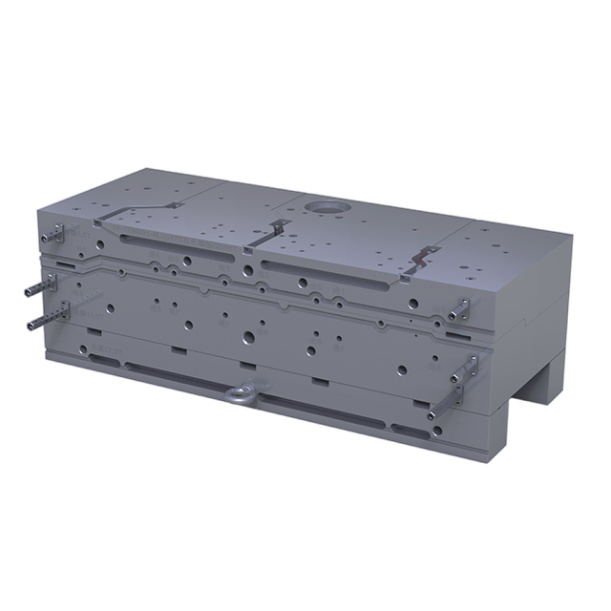
Gravity die casting plays a key role in making many automotive parts. It is used for engine blocks, cylinder heads, pistons, and transmission housings. The process delivers parts that are strong enough for engine components while keeping weight down. Suspension arms and brackets are also made this way because gravity die casting offers good dimensional accuracy and mechanical properties. Its ability to produce larger parts at a lower cost than pressure die casting makes it ideal for automotive components that don't require ultra-thin walls or extremely complex shapes.
In aerospace, gravity die casting is used for parts that don't face extreme structural stress but still need precision. Examples include instrument housings, brackets, and mounting hardware. This method is valuable for making lightweight components that maintain good strength. It's often chosen for auxiliary equipment housings and some interior parts of aircraft. The process's capability to produce consistent parts with good surface finish fits well with aerospace quality demands, especially for medium-sized runs.
Gravity die casting is popular for electronic device enclosures and telecom equipment parts. Heat sinks, which require excellent thermal conductivity, are often made from aluminum gravity die castings. Connector housings and base station components also benefit from this process because it produces parts with good surface finish and dimensional accuracy. These qualities reduce the need for costly secondary finishing and ensure reliable performance in sensitive electronics.
Many industrial machines use gravity die cast parts for their durability and precision. Pump housings, valve bodies, compressor components, and gear housings are common examples. The process allows manufacturers to produce leak-proof, robust parts that fit well in machinery. Structural supports and frames for equipment can also be made by gravity die casting, especially when larger sizes are required. The method's ability to handle various metals adds to its versatility in this sector.
Gravity die casting is widely used to make lighting fixtures and components. LED housings benefit from aluminum’s heat dissipation properties, making them ideal for this process. Street lighting fixtures, architectural lighting parts, and stage lighting equipment are often gravity die cast. The process's capability to produce parts with good surface finish and moderate complexity suits the aesthetic and functional needs of lighting products. Floodlight and spotlight housings also leverage gravity die casting for durability and cost-effectiveness.
Gravity die casting fills the mold cavity by gravity alone, while pressure die casting uses high pressure to force molten metal into the die. This key difference affects part size, complexity, and cost. Pressure die casting excels at producing thin-walled, intricate parts quickly and with excellent surface finish. However, it requires expensive tooling and is better suited for high-volume production.
In contrast, gravity die casting has lower tooling costs and can handle larger parts that pressure die casting cannot. It also offers good dimensional accuracy and surface finish but typically with thicker walls and simpler shapes. Gravity die casting cycles are slower, and it's more flexible for medium production runs. For example, automotive engine brackets and aerospace housings often use gravity die casting, while smaller, complex components like electronic connectors rely on pressure die casting.
Sand casting uses expendable sand molds, making it flexible for complex shapes and large parts. However, sand casting generally results in rougher surfaces and lower dimensional accuracy. It also has longer production cycles and higher labor costs per part.
Gravity die casting uses permanent metal molds, providing better surface finish, tighter tolerances, and faster production cycles. Tooling costs are higher than sand casting, but per-part costs drop significantly in medium to high volumes. For instance, pump housings may be sand cast for low volumes but gravity die cast for larger production runs due to better finish and strength.
Investment casting, also called lost wax casting, offers exceptional detail and tight tolerances. It suits small to medium parts with complex geometries. Tooling costs are moderate, but cycle times are longer, and it's less suited for large parts.
Gravity die casting is faster and more cost-effective for medium to large parts with simpler shapes. It produces parts with good mechanical properties but less intricate detail. For example, aerospace brackets with complex curves may be investment cast, while simpler mounting brackets use gravity die casting.
Other casting methods offer different advantages:
● Low-Pressure Die Casting: Uses low pressure to fill the mold, reducing turbulence and gas entrapment. It produces higher quality castings but with higher tooling costs than gravity die casting.
● Centrifugal Casting: Rotates the mold to force metal outward, ideal for cylindrical parts like pipes and tubes.
● Squeeze Casting: Combines casting and forging by applying pressure during solidification, improving mechanical properties.
● Sand Casting: Still preferred for very large or complex parts where tooling costs for permanent molds are prohibitive.
● Investment Casting: Best for small, intricate parts requiring high precision.
Each method suits different production volumes, part sizes, and complexity levels. Choosing the right casting process depends on your product requirements, budget, and lead times.
Selecting the right manufacturer for gravity die casting is key to ensuring your project succeeds. The quality, precision, and durability of your parts depend heavily on the foundry's expertise and capabilities. Here are the main points to consider when choosing a gravity die casting manufacturer:
● Experience and Track Record: Look for manufacturers with proven experience in gravity die casting. They should have a portfolio of successful projects in your industry or with similar parts.
● Material Expertise: Choose a supplier knowledgeable about various alloys and their casting behaviors. This helps in selecting the best material for your part's performance and cost.
● Tooling Capabilities: In-house tooling allows better control over die quality and faster turnaround times. It also means the manufacturer can handle design tweaks and repairs efficiently.
● Production Capacity and Flexibility: Ensure the manufacturer can meet your volume needs, whether low or high. Flexibility to scale production or adjust schedules is also valuable.
● Quality Control and Certifications: A reliable foundry should have strict quality control measures and hold certifications such as ISO 9001. This guarantees consistent part quality and adherence to standards.
● Communication and Support: Good communication throughout the project ensures your requirements are understood and met. Responsive support can resolve issues quickly, saving time and cost.
Gravity die casting requires precise control over many factors—pouring temperature, die preheating, cooling rates, and more. Manufacturers with deep expertise understand these nuances. They can optimize process parameters to reduce defects like porosity or shrinkage. Their knowledge also helps in designing dies that facilitate part removal and extend tool life.
Experienced manufacturers often provide valuable design advice early on, suggesting changes that improve manufacturability or reduce costs. They also know how to handle challenging alloys or complex geometries, ensuring your parts meet specifications.
Quality control is vital in gravity die casting due to the process's sensitivity to temperature and flow conditions. A trustworthy manufacturer will have:
● Inspection equipment: Coordinate measuring machines (CMM), X-ray or ultrasonic testing for internal defects.
● Process monitoring: Controls for pouring temperature, die temperature, and cycle times.
● Traceability: Documentation for materials and processes to support quality audits.
● Certifications: ISO 9001, AS9100 (for aerospace), or other relevant industry standards.
These measures reduce scrap, rework, and warranty issues, ensuring you get reliable parts every time.
Many gravity die casting manufacturers also provide secondary services, adding value by streamlining your supply chain. These include:
● Machining: Removing gates, flash, or refining features to tight tolerances.
● Surface Finishing: Sandblasting, polishing, anodizing, or painting to improve appearance and corrosion resistance.
● Heat Treatment: Enhancing mechanical properties like strength or hardness.
● Assembly: Combining cast parts with other components for ready-to-use assemblies.
Choosing a supplier offering these services can save time and reduce costs by minimizing handling and logistics.
Gravity die casting is a process that uses gravity to fill mold cavities, producing high-quality metal parts. It involves preheating the die, pouring molten metal, solidification, and part removal, followed by machining. Future innovations may improve efficiency and expand material options. Gravity die casting remains vital in industries like automotive and aerospace. Consider how Superband Mould can enhance product quality with their expertise in gravity die casting, offering reliable solutions and superior craftsmanship for diverse applications.
A: The gravity die casting process involves pouring molten metal into a preheated mold using gravity to fill the cavity.
A: Aluminium gravity die casting offers lightweight, strong, and corrosion-resistant products ideal for automotive and aerospace industries.
A: Gravity die casting products have better surface finish and dimensional accuracy than sand casting, but are less detailed than investment casting.
A: Common issues include porosity, shrinkage, and incomplete fills, often due to improper temperature control or die design.


