


Views: 0 Author: Site Editor Publish Time: 2026-01-26 Origin: Site


Is “injection molding” really how alloy wheels are made? In most plants, it means pressurized die casting in steel tooling. That wording can confuse specs, quotes, and quality targets.
In this guide, we break down the injection molding cast alloy wheel manufacturing process, step by step. You’ll see how an Alloy Wheel Mold controls filling, cooling, porosity, and runout. Use it to write clearer RFQs and choose safer, faster tooling plans.
In metals, “injection” often describes forced filling into a closed die. For wheels, this points to die casting routes, not plastic molding. In low-pressure die casting, molten metal rises upward into the die, using bottom gating. This style reduces turbulence and trapped air during filling. It often produces denser castings than fast, high-pressure filling. If your RFQ says only “injection molding,” suppliers may assume different machines. You can avoid that risk by naming the route and machine type.
LPDC uses a sealed furnace and controlled pressure to push melt upward. Many references describe pressure levels up to about 0.8 bar in low-pressure casting. This gradual fill helps reduce turbulence and internal defects. HPDC fills far faster using a plunger and shot sleeve system. High-speed filling can trap gas, which can reduce mechanical properties. That difference matters if you rely on X-ray acceptance or heat treatment performance. It also affects scrap rate, cycle time, and finishing cost.
Topic | LPDC (Low Pressure Die Casting) | HPDC (High Pressure Die Casting) |
Filling style | Upward, bottom-gated, gradual | Very fast plunger injection |
Defect risk trend | Lower turbulence, less trapped air | Higher gas entrapment risk |
Typical strength focus | Density and fatigue reliability | Throughput and surface finish |
Buyer watch-outs | Furnace control, thermal balance | Porosity control, venting, vacuum |
Metal Injection Molding uses metal powder mixed with a binder. It then follows molding, debinding, and sintering steps. Sintering shrinkage is often significant, commonly cited around 15–20%. That is manageable for small, high-volume parts, not large wheel blanks. Wheel sizes also make MIM tooling and sintering economics unattractive. So “injection molding wheels” almost always means die casting wheels. For clarity, specify LPDC or HPDC in your documentation.
Note: Align process terms early, or your tooling quotes will drift fast.
A wheel design must meet load targets, but it must also cast cleanly. CAE can predict hot spots, porosity zones, and misrun risk. Teams usually adjust fillets and thickness transitions after the first simulations. They also define machining allowances for hub faces and bead seats. If you skip this work, you will pay later in tool rework. A strong mold partner will flag fill issues before steel cutting begins. It saves time during trial runs and shortens the path to SOP.
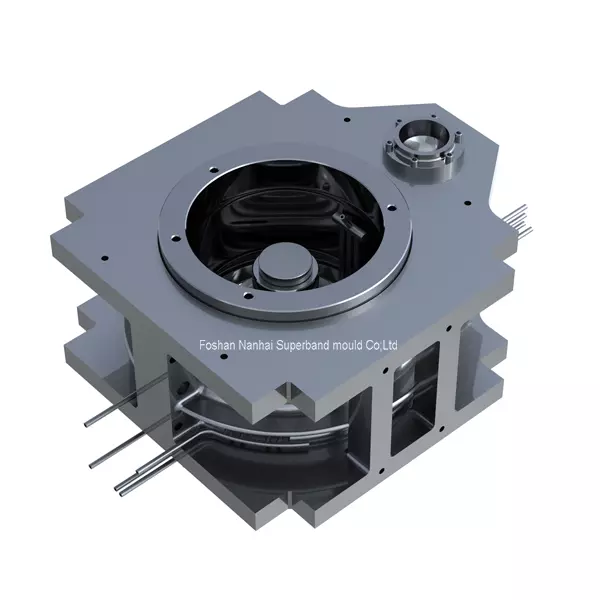
The Alloy Wheel Mold is more than a cavity block. It includes parting strategy, cores, slides, vents, and a cooling concept. These decisions control flash risk, ejection marks, and dimensional stability. Insert planning matters for high-wear surfaces and hot regions. Good design also considers cleaning access for vents and overflows. Ask for a drawing set that explains cooling zones and vent locations. You want repeatability across shifts, not only a good first sample. Design clarity also speeds future maintenance decisions.
Even the best tooling cannot rescue poor melt quality. Teams control alloy chemistry, temperature window, and melt cleanliness. Degassing and filtration help reduce hydrogen porosity and inclusions. Stable temperature reduces premature freezing in gates and thin spokes. If your scrap rises, check melt logs before changing tooling. It is common to find root causes in temperature drift or dross carryover. A disciplined melt routine makes the mold process window wider. That reduces stress during ramp-up and volume spikes.
In LPDC, pressure pushes melt upward through a riser tube and into the die. Controlled, bottom-up filling supports smoother flow and better venting performance. In HPDC, plunger speed and gate velocity strongly influence turbulence and gas entrapment. Research on HPDC reports air can be entrapped during pouring and injection stages. More trapped gas can create pores that hurt mechanical performance. Your mold design must match the filling style you choose. It must also match your machine’s real pressure and speed limits.
Solidification controls density, shrinkage, and distortion. Wheels cool unevenly because hubs are thicker than rims. Zoned cooling helps steer solidification and limit hot spots. If cooling is poorly balanced, you may see runout drift and repeated rework. In LPDC, controlled feeding during shrinkage can also support better integrity. Many process guides note LPDC can reduce oxide formation and porosity compared to faster filling. Cooling design and temperature control should be treated as a system. You want stable die temperature, not only fast cycles.
After casting, teams trim gates, risers, and overflows. Heat treatment may follow, depending on alloy and specification. Machining then locks datums for mounting faces and bolt circles. Inspection closes the loop, using CMM, X-ray, or CT when required. If defects recur, teams adjust vents, cooling, or fill curves. That feedback loop should be documented for future tools. A stable Alloy Wheel Mold reduces machining time by improving near-net geometry. It also reduces cosmetic rework during finishing and coating.
Process step | What it controls | Alloy Wheel Mold lever | What buyers should request |
CAE and DFM | Defect risk map | Gate and vent concept | Simulation summary and design changes |
Filling | Turbulence and air | Runner, gate, vent layout | Trial fill curve and shot records |
Solidification | Shrinkage and runout | Cooling zones, inserts | Cooling drawing and temperature plan |
Post-cast stability | Rework and scrap | Parting stability, ejection | Measurement report and control plan |
Tip: Ask for trial logs, then freeze the pressure curve.
Gating shapes flow speed, direction, and turbulence. For LPDC, bottom gating supports upward, gradual filling in many setups. For HPDC, high gate velocity can create turbulent flow in the cavity. That turbulence can trap more gas and raise porosity risk. A strong supplier will justify gating size using simulation and past results. They should also explain how they reduce oxide film folding. If their answer is vague, you should expect wider process variation. Calm flow supports stable scrap rates, especially across multiple machines.
Vents let air escape before metal seals the cavity. Poor venting raises porosity and increases X-ray failures. Overflows can capture colder metal and some inclusions during final filling. In HPDC, porosity is often linked to filling dynamics and trapped gas. In production, vents clog from lubricant residue and oxides. So access and cleaning routines matter as much as vent placement. Ask how often they expect vent cleaning, and how it is done. You want a plan you can execute on the factory floor.
Thermal control is a daily production problem, not a one-time design task. A good Alloy Wheel Mold uses zoned cooling for hub and rim regions. It also supports stable die temperature during long runs. If the die overheats, soldering risk rises and surface finish can degrade. If it runs too cold, misruns and cold shuts appear. Many LPDC descriptions emphasize smooth filling and improved integrity. Those benefits still depend on stable thermal balance during solidification. Treat cooling as part of your quality plan, not only cycle time tuning.
Wheel tooling faces repeated thermal cycling and mechanical loads. H13 is widely used in hot-work tooling due to thermal fatigue resistance. Research on hot-work steels highlights thermal fatigue as a key die damage mode. Good suppliers also plan replaceable inserts for erosion and heat checking zones. Maintenance planning should include inspection intervals and spare insert lead times. If you ignore maintenance, die life becomes unpredictable. Buyers should ask for hardness certificates and a repair strategy. It protects uptime and stabilizes cost per wheel.
Note: Die life depends on maintenance discipline, not only steel grade.
Pressurized casting supports repeatable filling once parameters are locked. LPDC uses gradual pressure to fill evenly from the bottom. That approach reduces turbulence and lowers trapped air risk. HPDC can scale faster, but it needs tighter control of injection parameters. Studies discuss gas entrapment during HPDC stages, especially during injection. For buyers, the main win is predictable output at volume. When the process window is stable, you can plan production confidently. It also reduces emergency tooling changes during peak demand.
Dimensional repeatability reduces machining time and tool wear. Better near-net shape also lowers scrap during balancing and runout checks. Surface finish can be strong when filling is stable and die temperature stays controlled. LPDC advantages often include reduced porosity and stronger castings versus HPDC. Those outcomes help you pass inspection targets more consistently. In B2B programs, stability matters as much as peak performance. It protects delivery schedules and reduces sorting costs. If you want consistent coating results, you also want stable surface quality.
Pressurized filling can support thinner sections than gravity methods. That helps reduce wheel mass while keeping stiffness acceptable. Material efficiency also improves when gating and overflow volumes are optimized. Less excess metal means less remelt and less handling time. Some plants also combine casting and flow forming for higher rim strength. Flow forming uses rollers to stretch and compress a cast preform. This can improve properties and reduce wall thickness in the rim area. It is a strong option for performance lines at mid cost tiers.
Mainstream wheels need reliable fatigue performance and stable runout. They also need consistent cosmetic surfaces for coating and paint. LPDC often fits these needs due to smoother fill and fewer internal defects. That advantage supports higher pass rates on integrity checks. It also reduces variation in machining allowances across batches. For OEM programs, traceability and consistent inspection records matter. Your mold should support repeatable datums and stable cooling behavior. Buyers should also align inspection scope early, then keep it consistent.
Commercial wheels face higher loads and harsher duty cycles. They need density and tight control of internal defects. Mold durability becomes critical because volumes can be high and continuous. Cooling balance matters because distortion can raise rework costs quickly. Vent serviceability matters because long shifts increase clogging risk. Buyers should request a clear maintenance schedule and spare insert plan. They should also ask for evidence of stable production across long runs. If a supplier cannot show it, risk rises during your ramp-up.
Performance lines often target lower mass and higher rim strength. Flow forming can help by thinning and strengthening the rim area. It starts from a cast blank, then rollers form the barrel under pressure. That means the casting preform must be consistent and clean. The Alloy Wheel Mold must produce stable preform geometry for the forming step. If the blank varies, forming defects rise and scrap increases. Buyers should specify preform tolerances and hardness targets for forming. This keeps the downstream process stable at speed.
Tip: If you plan flow forming, lock preform tolerances before buying tooling.
Start by choosing LPDC, HPDC, or cast-plus-flow-forming. That single choice drives gating, venting, and cooling requirements. Next, define acceptance targets for porosity and runout. If you require heat treatment, consider porosity sensitivity early. Also define which areas need X-ray or CT coverage. When you share these details, suppliers can propose better tooling concepts. If you stay vague, they will price uncertainty into every quote. Clear targets also speed the design review cycle after supplier selection.
Ask for the tool layout, including cavities, parting, and insert strategy. Ask for cooling drawings and planned temperature measurement points. Ask for vent placement and how they will be cleaned. Ask for target die life and a maintenance plan. Ask for a trial plan, including sample size and inspection scope. Also ask how they manage engineering changes and revisions. These items reduce surprises when you move from samples to volume. They also help your team compare quotes on equal ground.
A good supplier can show trial records and inspection reports. They can also explain root causes using defect maps and adjustments. Ask for evidence of stable process windows, not only a perfect sample. If you can, request a small audit of their measurement workflow. Confirm they can support your required documentation format. Ask how they stock spare inserts and how fast repairs happen. This matters more when you ship across borders. Proof-based selection reduces program risk during ramp-up.
Mold price is visible, but scrap and downtime hide easily. Compare predicted die life, planned maintenance, and spare part costs. Compare lead time for repairs and replacement inserts. Compare expected cycle time and yield assumptions (needs verification). Then estimate cost per acceptable wheel across your planned volume. This approach stops “cheap tooling” from becoming “expensive production.” You can still negotiate price, but you should negotiate risk too. That is where strong suppliers stand out over time.
RFQ item | Why it matters | What “good” looks like |
Process route | Sets tooling architecture | LPDC or HPDC clearly defined |
Inspection scope | Protects safety compliance | X-ray zones and CT rules listed |
Cooling concept | Controls runout | Zoned cooling and sensors planned |
Vent plan | Controls porosity | Vent access and cleaning method defined |
Maintenance plan | Protects uptime | Intervals, spares, response time stated |
Note: A cheaper mold can cost more per wheel.
A cast wheel succeeds when “injection” casting stays stable from fill to cooling. We showed how the Alloy Wheel Mold shapes porosity, runout, finish, and total cost.
Clear LPDC or HPDC choices, plus CAE and inspection, reduce rework and scrap. Pick tooling that balances gating, venting, and zoned cooling for repeatable cycles.
For new programs, Foshan Nanhai Superband Mould Co., Ltd. offers one-stop wheel tooling and global service support. Their Alloy Wheel Mold options use durable tool steels, fast trials, and maintenance-ready designs to protect your uptime.
A: It usually means pressurized die casting in steel tooling, not plastic injection molding.
A: The Alloy Wheel Mold controls filling, venting, cooling balance, and shrinkage, which drives porosity and runout.
A: Choose based on integrity targets, inspection rules, and output needs, then match tooling to the machine window.
A: Ask for CAE support, gate and vent layout, zoned cooling drawings, and trial inspection reports.
A: Trapped gas and poor venting cause pores; the Alloy Wheel Mold reduces risk through calmer flow and clean vents.


