

Views: 0 Author: Site Editor Publish Time: 2026-08-30 Origin: Site


The quality of your alloy wheels directly dictates the profitability of your production run. Precision tooling serves as the foundation for manufacturing excellence. Without it, operations quickly derail. Substandard molds lead to high scrap rates. They cause severe thermal fatigue and internal porosity defects. These physical failures immediately create costly production downtime. Ultimately, these issues drain operational resources and damage your market reputation. We created this guide to solve this critical business problem. It provides a strictly objective, evidence-based framework. We will help you evaluate, shortlist, and select the exact tooling you need. You will discover how to align mold choices directly with your specific manufacturing KPIs. We explore everything from baseline material selection to rigorous trial processes. By understanding these core principles, you can confidently invest in durable solutions. You will avoid common procurement traps and secure tooling built for sustained performance.
Tooling material (e.g., H13 or H11 premium steel) and optimized cooling channel designs are the biggest predictors of mold longevity and cycle time reduction.
Mold selection must perfectly match the production method—whether low-pressure die casting (LPDC), gravity casting, or forging.
Standardized alloy wheel mold specifications must be verified through rigorous T0/T1 trial data before final sign-off.
Choosing an alloy wheel mold supplier requires evaluating their in-house machining capabilities, quality control (CMM inspection), and IP protection protocols.
We often see manufacturers use generic evaluation criteria across different wheel manufacturing methods. This mistake consistently leads to premature die failure. Each casting or forging technique places unique mechanical and thermal stresses on the tooling equipment. You cannot treat a gravity cast die the same way you treat a forging die. It will break under the operational stress. You must align your tooling design perfectly with your chosen production method. Finding the right alloy wheel mold requires understanding these specific operational stresses.
Low-Pressure Die Casting (LPDC) relies on controlled pressure to fill the die cavity. When evaluating LPDC molds, focus heavily on the bottom-gating design. A poorly designed gate causes turbulent metal flow. Turbulence introduces air pockets and creates severe porosity in the wheel structure. You must also evaluate cavity pressure tolerance. The mold must withstand sustained internal pressure without structural deformation. Directional solidification support is another crucial factor. Proper thermal gradients ensure the wheel cools uniformly from the outer rim to the inner hub. This uniform cooling phase prevents critical shrinkage defects.
Gravity casting introduces molten metal purely through gravitational force. This method lacks the pressurized assistance seen in LPDC. Therefore, runner and riser designs become the most critical elements of the tool. Emphasize these components during your technical evaluation. Efficient risers feed additional molten metal into the cavity as the wheel cools and shrinks. If the riser design proves inadequate, you will see significant shrinkage and porosity. These defects typically appear in the wheel rim and spokes. You need a design promoting smooth, uninterrupted liquid metal flow.
Forging requires entirely different tooling characteristics. A forging aluminum alloy auto wheel mold faces extreme physical demands. Instead of pouring liquid metal, forging compresses solid aluminum billets into shape. We must highlight the distinct requirements for these forging dies. They must possess extreme compressive strength. They also need exceptional impact resistance to survive repetitive strikes. Forging presses apply thousands of tons of hydraulic pressure. Standard tool steel will shatter under this load. You must prioritize advanced surface treatments. Processes like nitriding harden the tool surface. This hardening prevents abrasive wear and extends the die's usable life.
Common Mistakes in Process Alignment:
Ignoring the specific thermal dynamics of the chosen casting method.
Attempting to adapt a gravity casting design directly for an LPDC application.
Underestimating the sheer hydraulic tonnage applied to heavy forging dies.
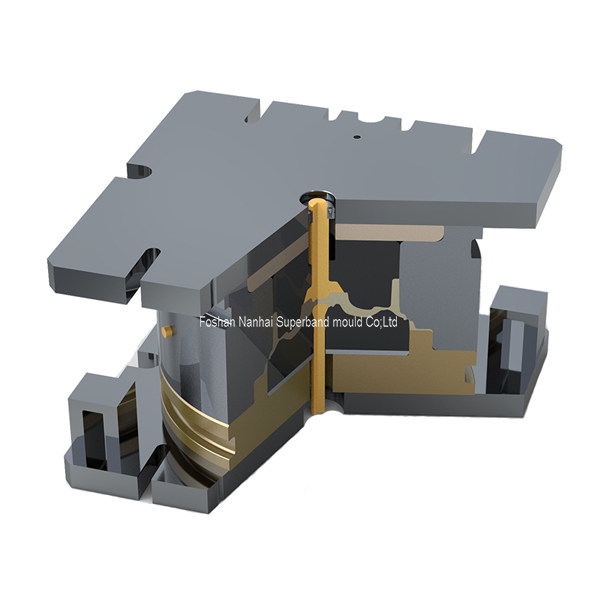
Evaluating technical specifications requires strict attention to detail. You cannot rely on visual inspections alone. You must analyze the engineering data behind the tool. Proper evaluation prevents costly post-machining corrections and serious balancing issues later. Establishing clear alloy wheel mold specifications guarantees consistent quality across your entire production volume.
The foundation of any durable die is its metallurgy. We strongly advise buyers to demand certified steel grades. Accept nothing less than DIN 1.2344 or AISI H13 for premium automotive applications. These specific grades offer exceptional hot yield strength. You should also check for vacuum degassing during the steel manufacturing process. Vacuum degassing removes trapped hydrogen and oxygen from the alloy. This purification process significantly enhances the steel's structural purity and toughness. Impure steel quickly develops microscopic cracks under high thermal stress.
Cooling dynamics directly dictate your cycle times. Advanced cooling channel architecture separates a mediocre die from a highly profitable one. Conformal cooling represents the industry gold standard today. These customized channels follow the exact contours of the wheel design. Strategically placed water and air lines aggressively extract heat from thick sections. This targeted heat removal prevents thermal hot spots from forming. Hot spots degrade the steel and warp the final cast product. Efficient cooling dramatically slashes cycle times. Faster cycles always mean higher daily output.
Tight tolerances reduce the need for extensive post-machining. You must outline baseline acceptable tolerances for all critical areas. The wheel lip, hub, and spoke areas require absolute precision. Any dimensional deviation in the hub causes severe balancing issues on the vehicle. You must verify these tolerances mathematically before cutting any steel.
Baseline Tooling Tolerance Guidelines
Wheel Component | Acceptable Tolerance Range | Primary Defect Risk if Failed |
|---|---|---|
Hub / Center Bore | ± 0.05 mm | Severe balancing issues, vehicle mounting failure |
Wheel Lip | ± 0.10 mm | Tire bead seating failure, slow air leaks |
Spoke Contours | ± 0.15 mm | Visual inconsistencies, rotational weight imbalance |
Ejection mechanics often receive too little attention during procurement. We frame smooth ejection as absolutely critical for maintaining surface integrity. A flawed ejector system damages the wheel during physical extraction. Deep pin marks or mechanical deformation on the wheel face cause immediate rejection. The system must apply perfectly balanced force across the entire casting. It requires precise alignment to prevent surface scoring or sticking.
Durability directly impacts your overall profit margins. A cheap die often becomes the most expensive piece of equipment on the floor. You must evaluate how the tool handles repetitive stress over thousands of cycles. Thermal fatigue resistance stands as the ultimate test of die quality.
Shift your focus strictly from the upfront mold price. You must evaluate the lifecycle economics of the tooling. We call this the cost-per-shot analysis. A premium die might cost forty percent more initially. However, if it yields three times as many wheels, your cost-per-shot drops significantly. Cheap dies fail early. They require constant welding, deep polishing, and core insert replacements. These hidden maintenance expenses destroy any initial purchasing savings. Always calculate manufacturing value based on expected long-term yield.
Proper heat treatment dictates the die's resistance to heat checking. Heat checking refers to a network of fine cracks forming on the die surface. It results directly from rapid heating and cooling cycles. We advise buyers to ask for comprehensive heat treatment charts. You need concrete proof of proper quenching and tempering procedures.
To ensure optimal durability, verify the following steps:
Review the initial austenitizing temperature logs to ensure complete structural transformation.
Verify the exact quenching medium and cooling rates used by the supplier.
Demand digital records of double or triple tempering processes.
Check final Rockwell hardness values across different sections of the cavity block.
If a supplier cannot provide these technical charts, you face a massive quality risk.
Standard polishing works well enough for basic applications. However, high-volume production demands advanced surface engineering. Evaluate standard polishing against specialized coating alternatives. Physical Vapor Deposition (PVD) coatings offer extreme surface hardness. They significantly enhance wear resistance on high-friction boundary areas. Specialized nitriding also improves liquid metal flow during the casting phase. Better metal flow reduces the risk of cold shuts and surface blemishes. These advanced coatings heavily protect the underlying steel from chemical attack by molten aluminum.
Your tooling is only as reliable as the manufacturing team building it. Proper sourcing requires strict auditing of potential partners. You must look past glossy marketing brochures and examine real engineering capabilities. A reliable alloy wheel mold supplier provides total transparency at every stage of the build.
Never work with an outsourced broker pretending to be a true manufacturer. You need a supplier possessing comprehensive in-house resources. They should operate dedicated multi-axis CNC machining centers. Five-axis machines handle complex spoke geometries efficiently. They also need advanced Electrical Discharge Machining (EDM) equipment for precise cavity details. Furthermore, demand dedicated mold-flow simulation software. Analytical tools like Magmasoft are non-negotiable. Simulation software predicts internal casting defects long before cutting any steel. It literally saves weeks of expensive trial and error.
Demand irrefutable evidence of strict quality control protocols. Basic visual inspections hold zero value in modern automotive manufacturing. Look for suppliers who provide comprehensive Coordinate Measuring Machine (CMM) reports. A CMM system maps the physical dimensions of the die with micron-level accuracy. You should also request 3D scanning validations. The supplier must scan the finished tool and overlay the point-cloud data against the original CAD file. This digital overlay highlights any dimensional deviations immediately.
Wheel face designs often represent your core competitive brand advantage. You cannot risk unauthorized copying or market leaks. Ensure the supplier holds current ISO 9001 certification. This specific certification proves they follow standardized quality management protocols. More importantly, they must be willing to sign strict Non-Disclosure Agreements (NDAs). These legal agreements protect your proprietary wheel designs from leaking to global competitors. You should also check their internal IT security protocols regarding CAD file storage.
Executing the procurement process requires highly active management. The real work does not stop when you issue the purchase order. You must manage the engineering, trial, and maintenance phases carefully. This hands-on approach ensures a highly smooth transition into mass production.
The technical evaluation strictly starts before cutting any steel blocks. A competent supplier must provide a comprehensive DFM report. This report analyzes the physical feasibility of your wheel design. It reviews critical elements like operational draft angles and parting lines. Insufficient draft angles cause the hot wheel to stick during ejection. The report must also calculate precise shrinkage rates for your specific aluminum alloy blend. Addressing these issues in the digital phase prevents disastrous physical modifications later.
You must define strict, measurable expectations for the first shot (T0). The T0 trial rarely produces a perfect, sellable wheel. However, it reveals the fundamental thermal and mechanical realities of the die. Outline exactly what you will look for in these sample wheels. Conduct thorough x-ray inspections to detect internal porosity. Perform dynamic balancing tests to verify mass distribution across the axis. Scrutinize the surface for visual defects like flow marks or metallic flash. The transition from T0 to T1 involves refining the cooling lines and gating based on these tests. Never authorize mass production without a flawless T1 sample in hand.
Even the absolute best dies require ongoing, scheduled maintenance. Evaluate the supplier's warranty terms clearly before signing. Know exactly what constitutes normal wear versus a manufacturing defect. Assess their spare parts availability. Ask if they can ship replacement ejector pins or core inserts quickly. They should also provide comprehensive guidelines for preventative maintenance schedules. Routine cleaning, high-temp lubrication, and ultrasonic stress relief dramatically extend the tool's lifespan.
An alloy wheel mold represents a massive capital investment for your business. It strictly dictates the operational efficiency of your entire foundry or forging plant. You simply cannot afford to cut corners during the evaluation process. We strongly recommend shifting your focus toward long-term durability and engineered precision. High-quality steel, optimized cooling, and strict dimensional tolerances guarantee higher production yields.
Before moving forward, you should thoroughly finalize your technical requirements. Clearly define your wheel dimensions, target alloy grade, and expected monthly production volume. Documenting these specific metrics makes supplier evaluation much easier. It ensures you receive highly accurate proposals rather than generic estimates. Do this before issuing any Request for Quotation (RFQ).
Are you ready to optimize your wheel production line for maximum efficiency? We encourage you to contact our expert engineering team today. We can perform a comprehensive feasibility study and a detailed DFM review for your next project. Reach out now to secure a customized mold quote tailored to your exact operational needs.
A: The lifespan varies heavily based on the production process and maintenance routines. A high-quality low-pressure die casting (LPDC) mold typically yields 50,000 to over 100,000 shots. Gravity casting molds often reach similar numbers. Premium steel selection and strict preventative maintenance schedules are the primary factors extending this operational life.
A: Standard B2B lead times typically range from 30 to 60 days. This timeline depends heavily on the design complexity and the supplier's current CNC machining backlog. Complex geometric spoke designs and specialized heat treatments will push delivery times toward the longer end of that spectrum.
A: You must demand comprehensive engineering documentation before approving any design. Key deliverables include detailed mold-flow simulation results and a complete Design for Manufacturability (DFM) report. You should also require complex cooling line layouts, gating diagrams, and certified steel material certifications to verify metallurgical purity.
A: Preventing porosity requires highly optimized gating and venting systems. These elements allow trapped gases to escape quickly during the injection phase. Strategic thermal control is also vital. Well-designed cooling channels manage directional solidification, ensuring the metal cools evenly. This prevents the rapid shrinkage that leads to internal voids.


