

Views: 0 Author: Site Editor Publish Time: 2026-05-13 Origin: Site


In the field of aluminum high pressure die casting, excellent DFM (Design for Manufacturability) is not only about lightweighting — it is fundamentally about controlling the physical behavior of solidification shrinkage.
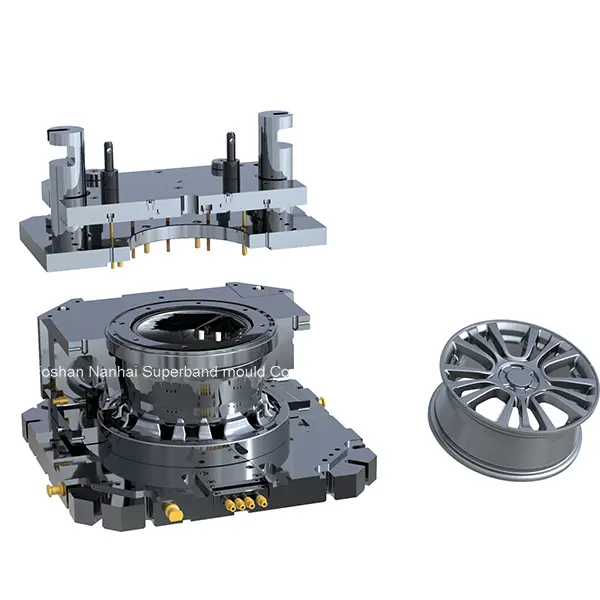
1.Eliminating “Hot Spots”: The Root Cause of Uneven Wall Thickness
Many engineers tend to add ribs or increase wall thickness in high-stress areas when designing complex aluminum parts. However, abrupt transitions between thick and thin sections easily create hot spots. These areas cool significantly slower than surrounding thin walls, leading to shrinkage porosity, internal voids, or dispersed shrinkage defects.
2.Draft Angle and Demolding Stress
Proper draft angle directly affects cycle time and part quality. Insufficient draft increases lateral friction during ejection, which can cause surface drag marks, sticking, or even damage to the die itself through welding or galling.
3.The Predictive Power of Mold Flow Analysis
Mold flow analysis should never be treated merely as a final verification report. Instead, it must serve as a critical decision-making tool during the DFM stage. By simulating filling patterns and identifying air entrapment risks, engineers can optimize the location and design of overflows and vents before the mold is built, greatly improving first-pass yield.
Uniform wall thickness is the underlying logic behind high-yield aluminum die casting. It minimizes differential cooling rates, reduces hot spots, lowers shrinkage defects, and enables more stable, predictable production. Great DFM begins with respecting the natural physics of aluminum solidification — not fighting against it.


